Strangphotography - Travel and Documentary in Southeast Asia
Bangkok in Thailand – A City of Endless Stories, Travel, Documentary and Photography Inspiration
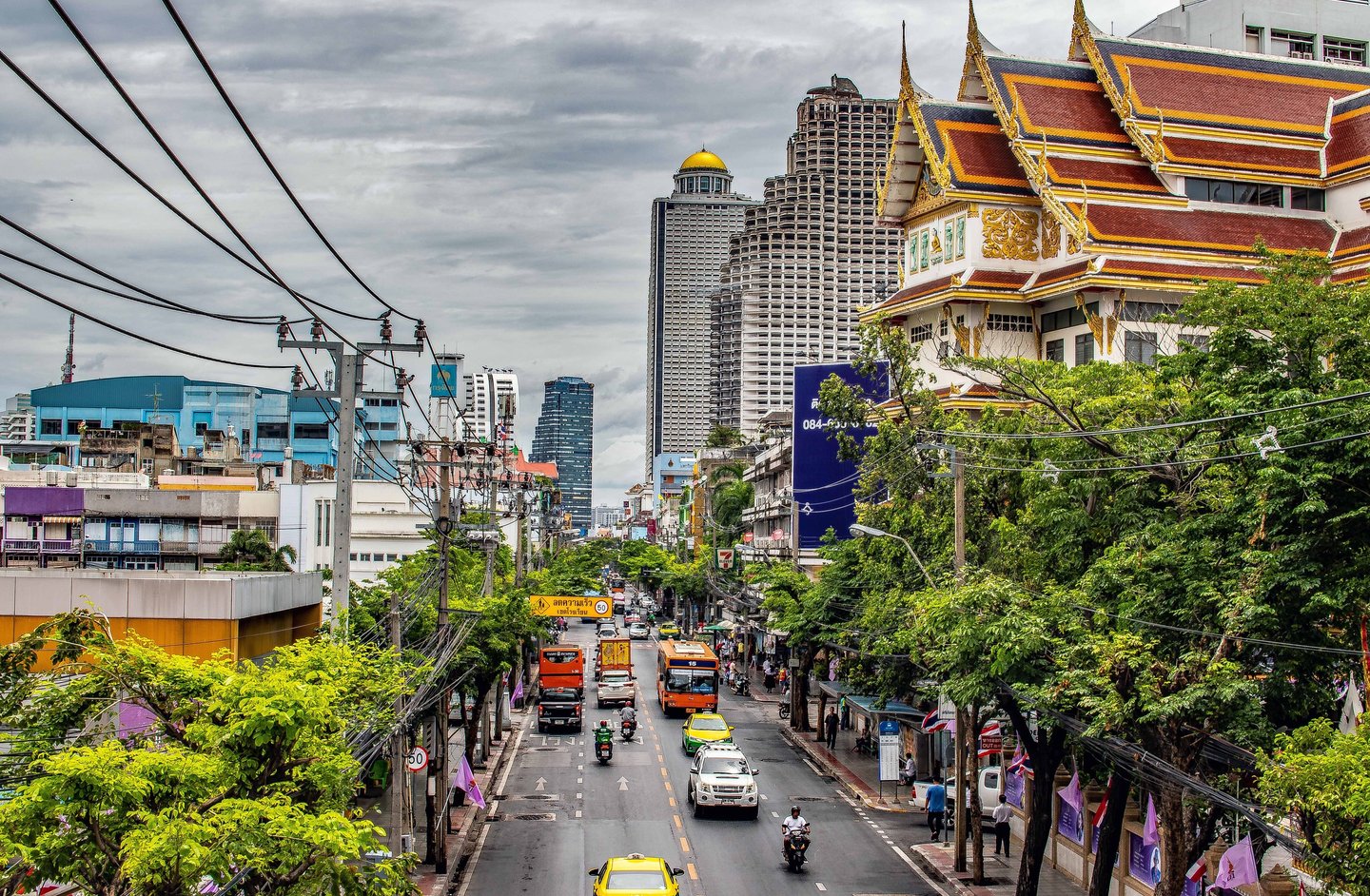
Few cities in Southeast Asia offer as many visual layers as Bangkok.
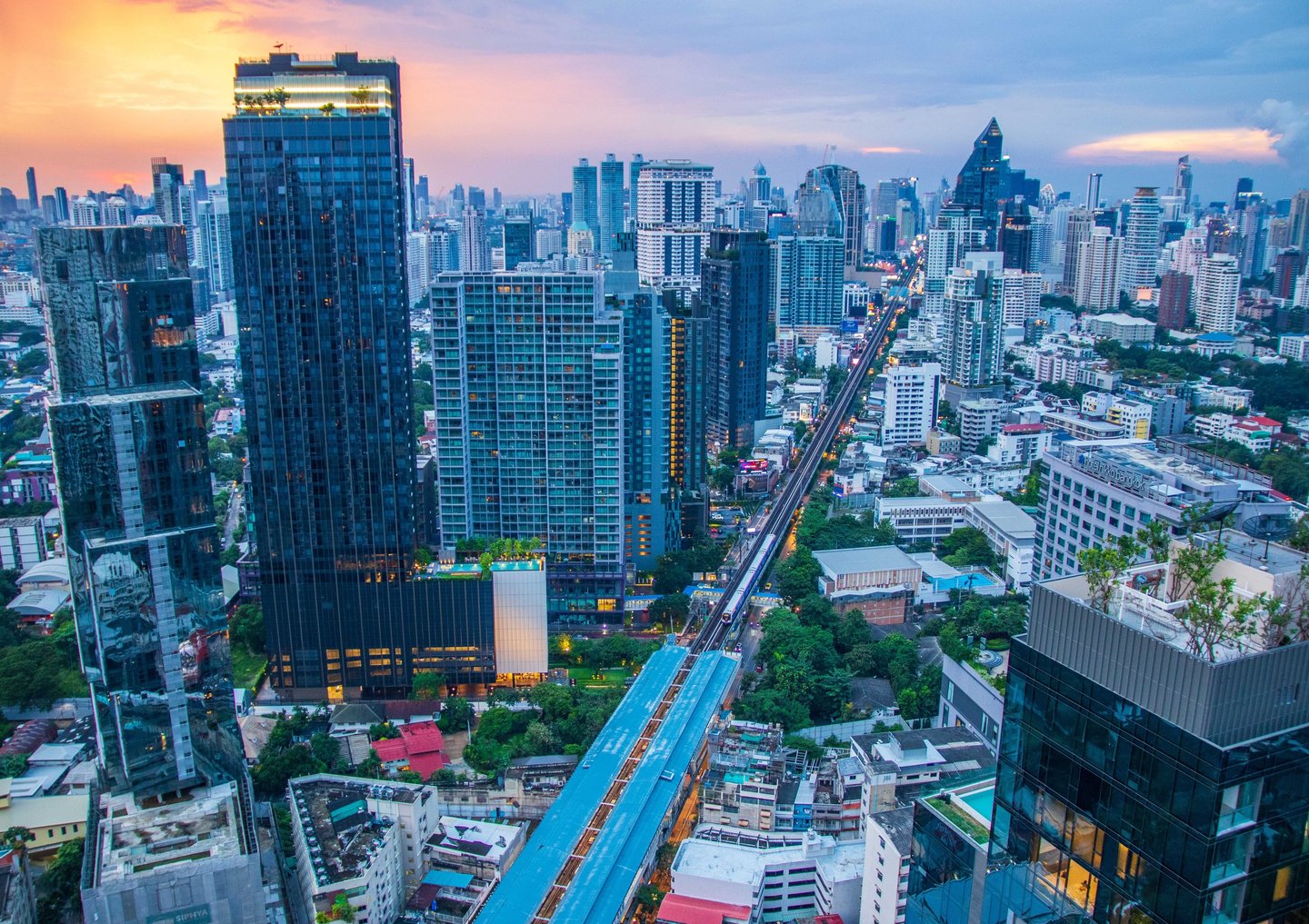
For photographers, travelers, and storytellers, the city is an endless source of inspiration — a place where historic temples, modern skyscrapers, narrow canal neighborhoods, and vibrant street life exist side by side.
Living in Pattaya for several years has made spontaneous trips to Bangkok part of our routine. My wife and I often plan short photography trips to the Thai capital — sometimes for three nights, sometimes just for a quick “One Night in Bangkok.”
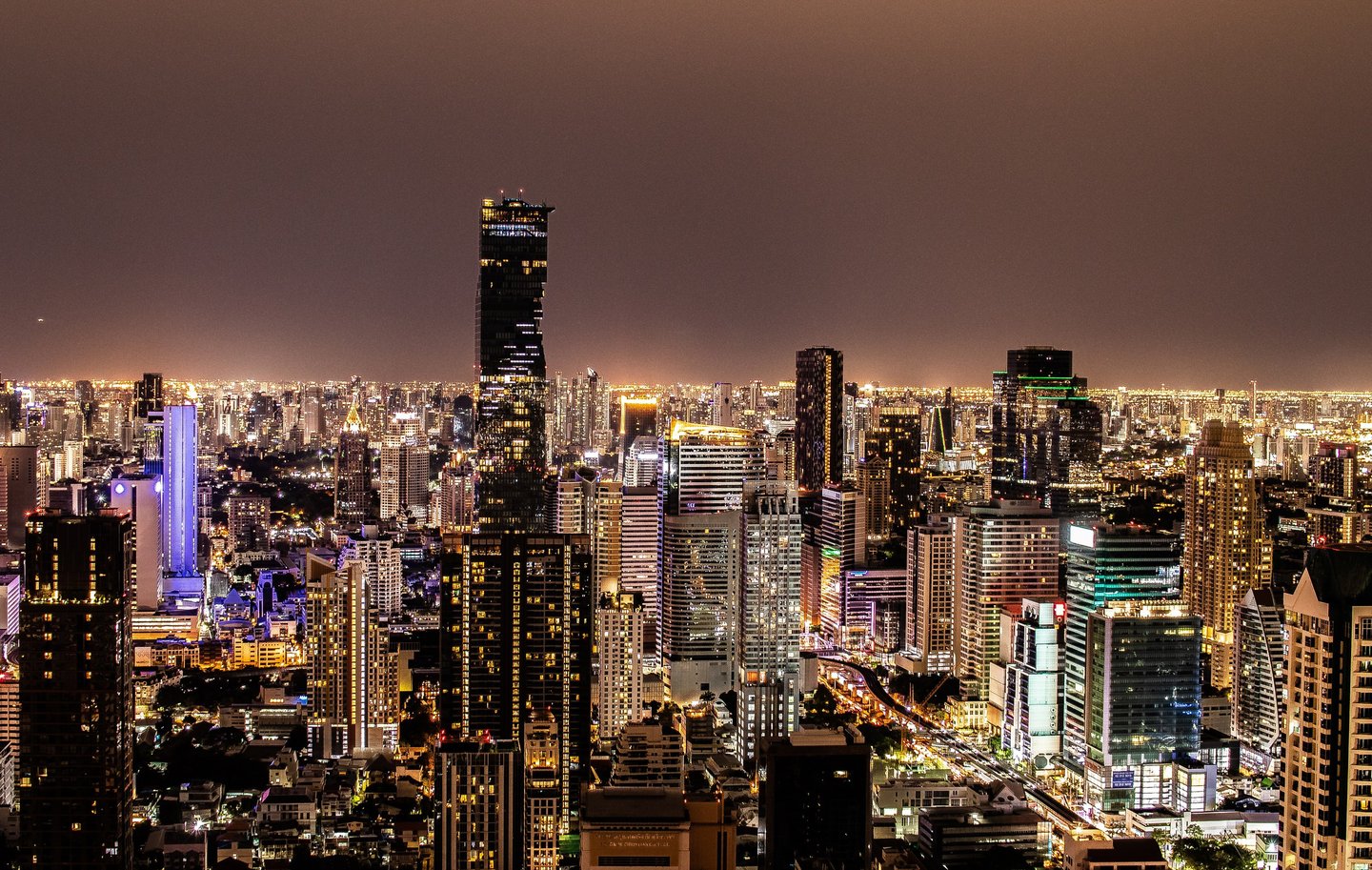
Each visit usually revolves around a specific photographic theme or location.
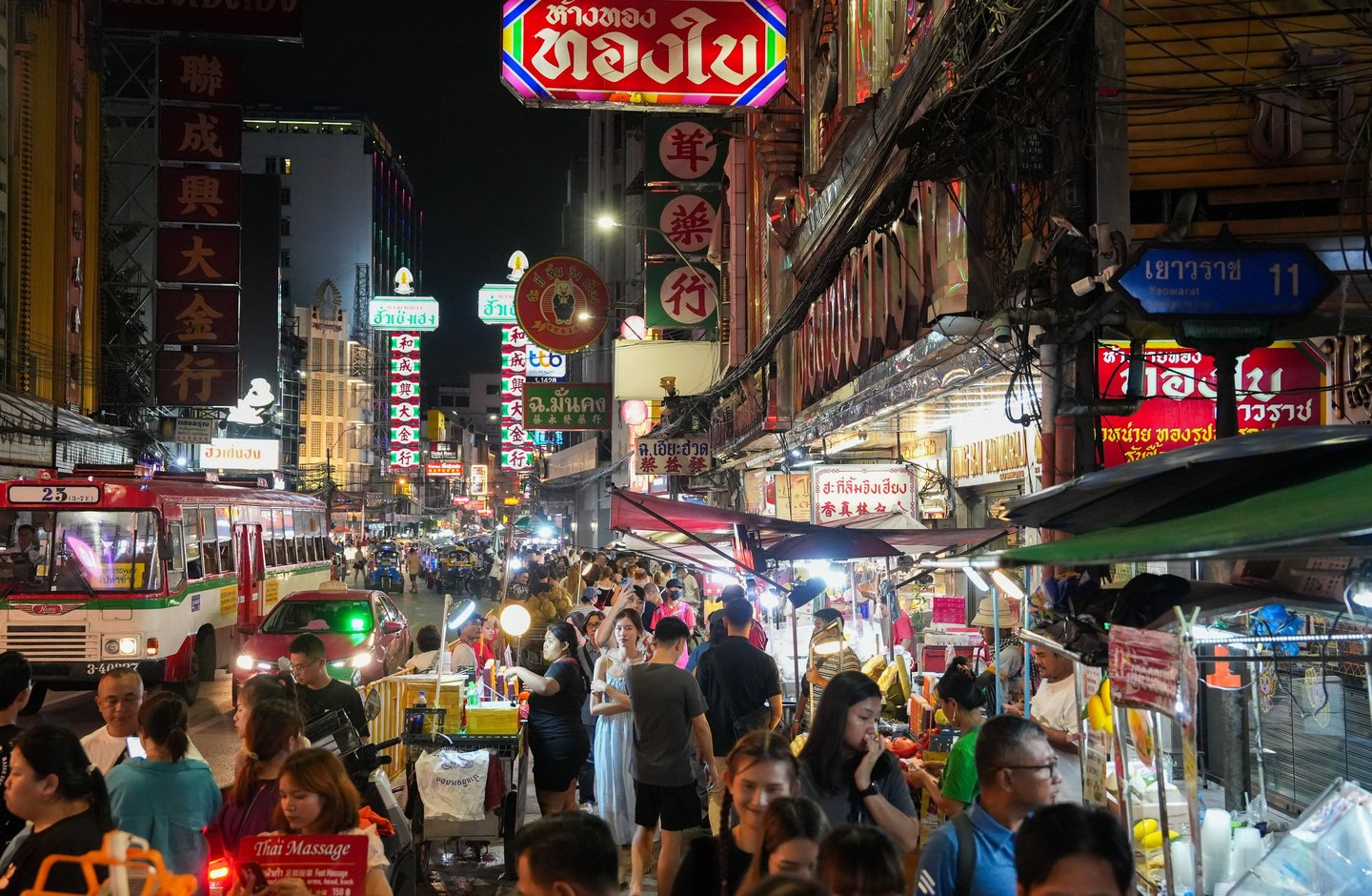
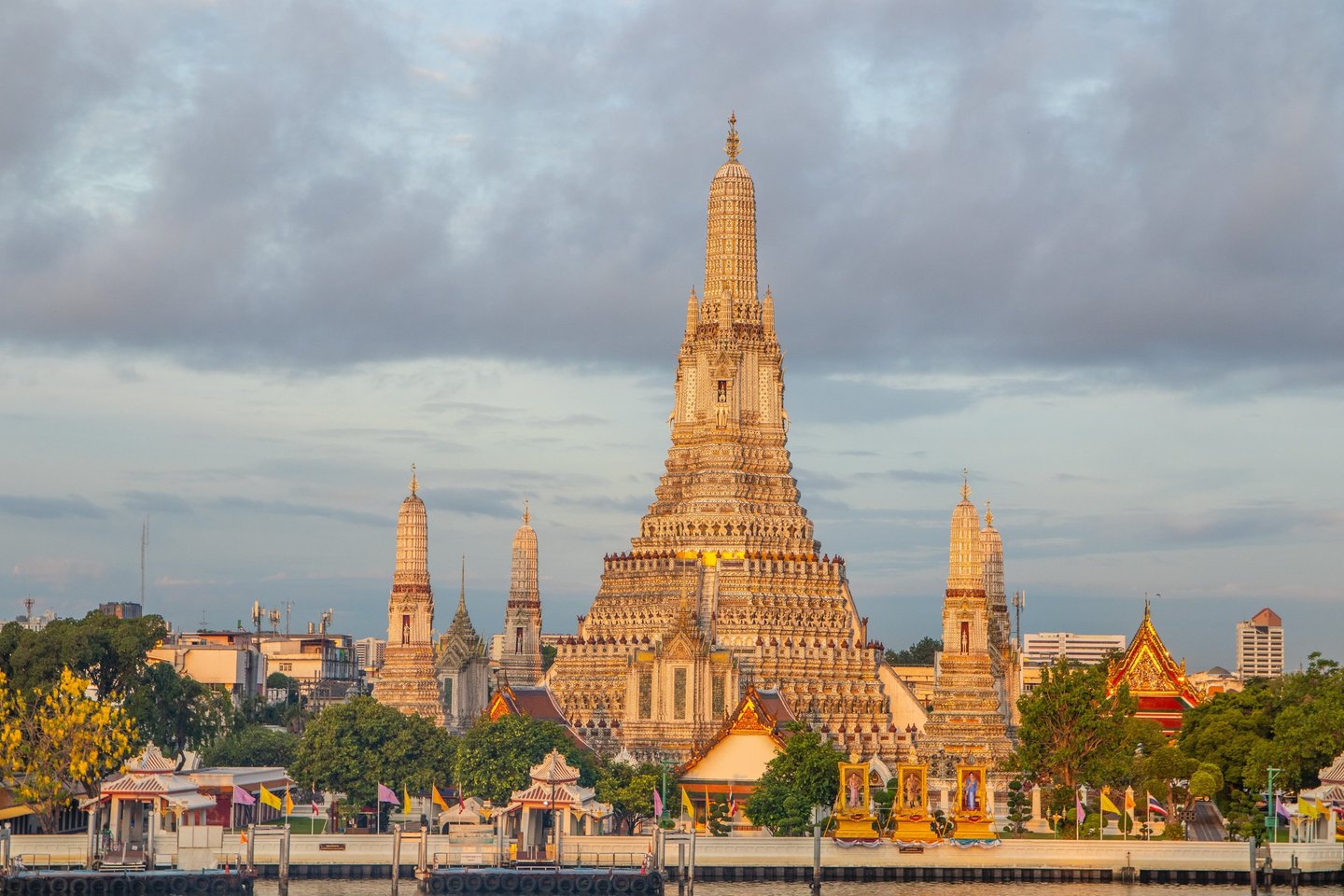
Sometimes it’s the intense street life of Yaowarat Road in Chinatown, Bangkok, sometimes the quieter atmosphere around Lumphini Park, the view from Bangkok’s growing number of rooftop bars, the early morning light at Wat Arun, or the traditional canal life along the Thonburi khlongs.
This section on strangphotography.com will therefore never really be finished.
Bangkok is constantly changing, and each visit reveals something new. The result will be an evolving collection of travel, documentary, and photography stories from one of Asia’s most fascinating megacities.
Most of the images shown here were captured with my Sony Alpha 7 IV paired with the Sony FE 24-70mm f/2.8 GM II, a combination that has proven extremely versatile for travel and documentary photography.
Some images were taken with my Canon EOS 77D and the Sigma 30mm f/1.4 DC HSM Art, a setup I still occasionally enjoy using.
A Brief Look at the City
Bangkok, officially known as Krung Thep Maha Nakhon, developed from a small trading settlement along the Chao Phraya River into one of the most dynamic cities in Southeast Asia.
The city became the capital of Siam in 1782 when King Rama I established the royal center on the eastern side of the river, an area that today includes landmarks such as the Grand Palace and many of the country’s most important temples.
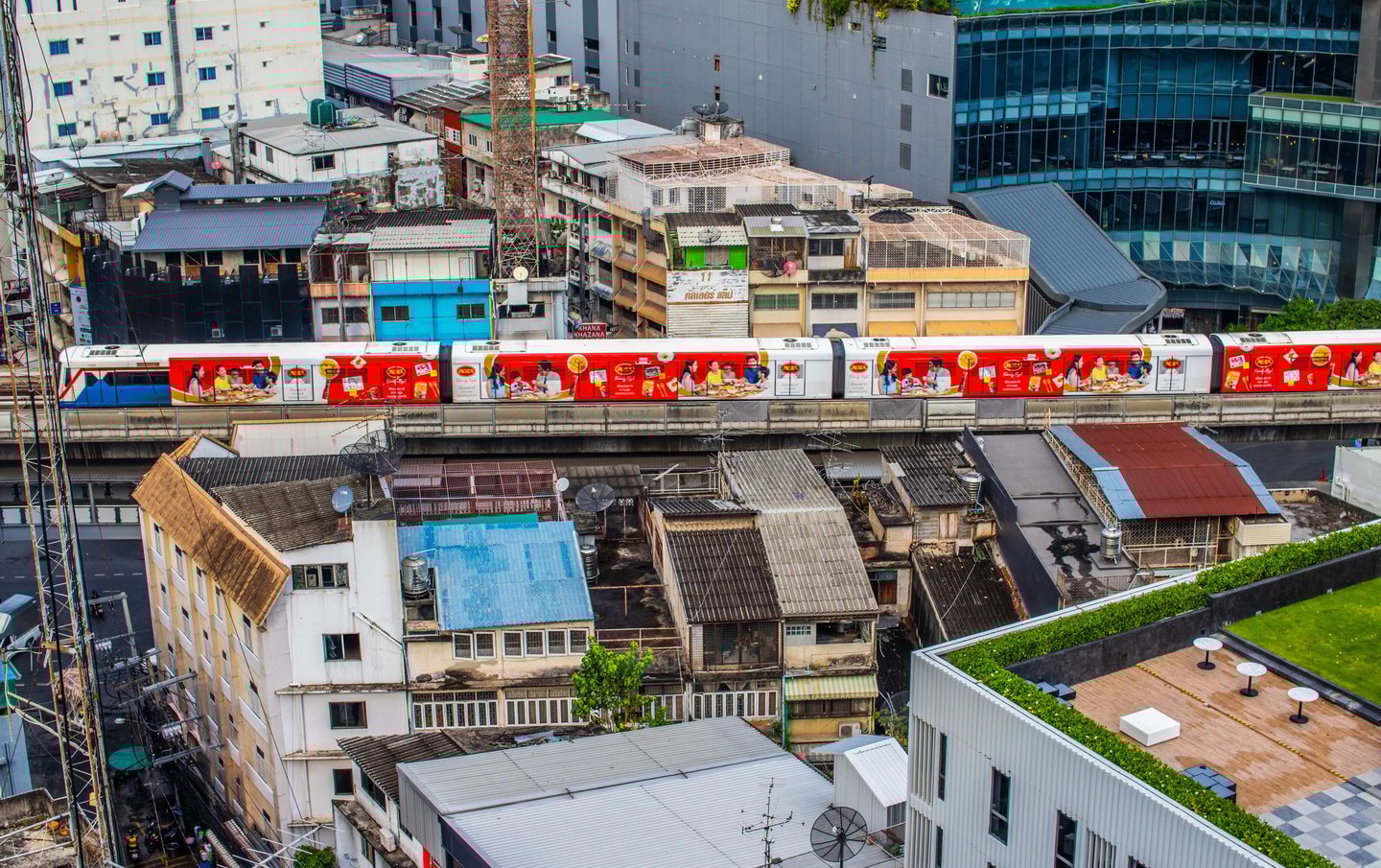
Over time Bangkok expanded far beyond its historic core. Today it is a vast metropolitan area of more than 10 million people, combining traditional neighborhoods, modern business districts, elevated train systems, river transport routes, and an intricate network of canals known as khlongs.
This mixture of history, infrastructure, culture, and daily urban life is exactly what makes Bangkok such a rewarding destination for travel and documentary photography.
Travel, Documentary and Photography Inspiration
The stories on this page are not meant to be a classic travel guide.
Instead, they reflect how I experience Bangkok through the lens — observing street scenes, architecture, light, and the rhythm of daily life.
Some sections will focus on well-known places, others on smaller details that often go unnoticed. But together they form a growing visual archive of a city that never really stands still.
For travelers planning a visit to Thailand, for social media creators searching for authentic visual stories, and for editors of travel magazines looking for documentary imagery from Bangkok, this section will continue to grow with every new trip.
In a city like Bangkok, there is always another story waiting just around the corner.
Yaowarat Road at Night – The Electric Heart of Bangkok’s Chinatown
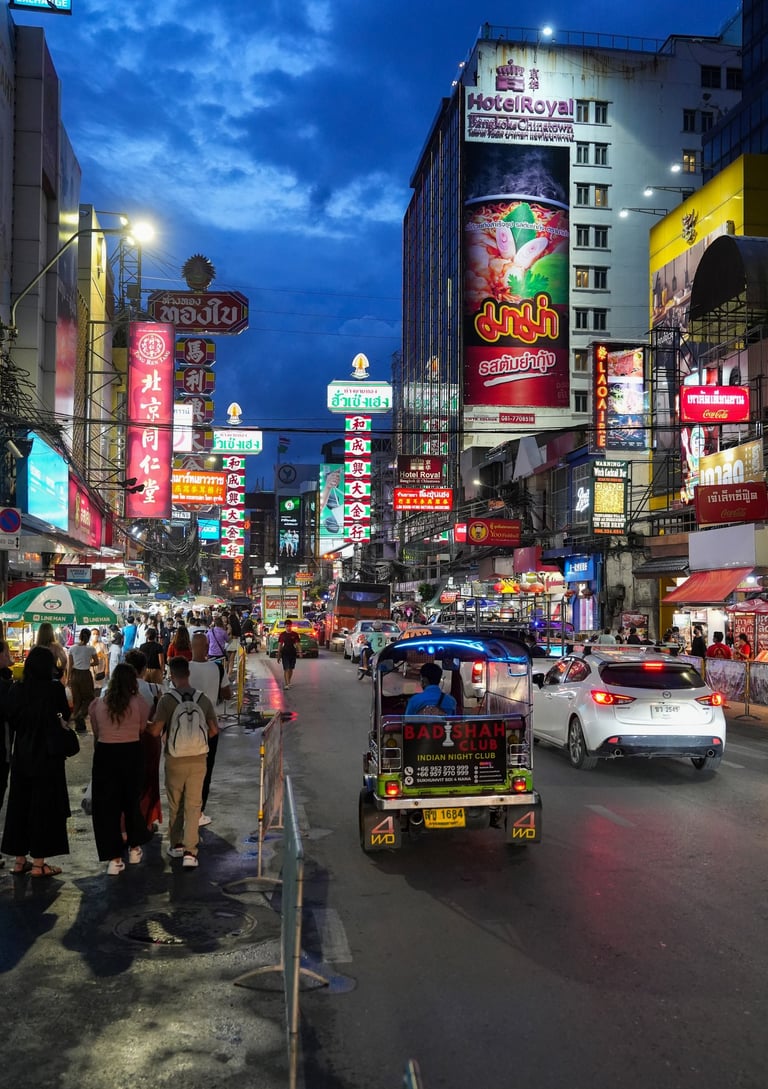
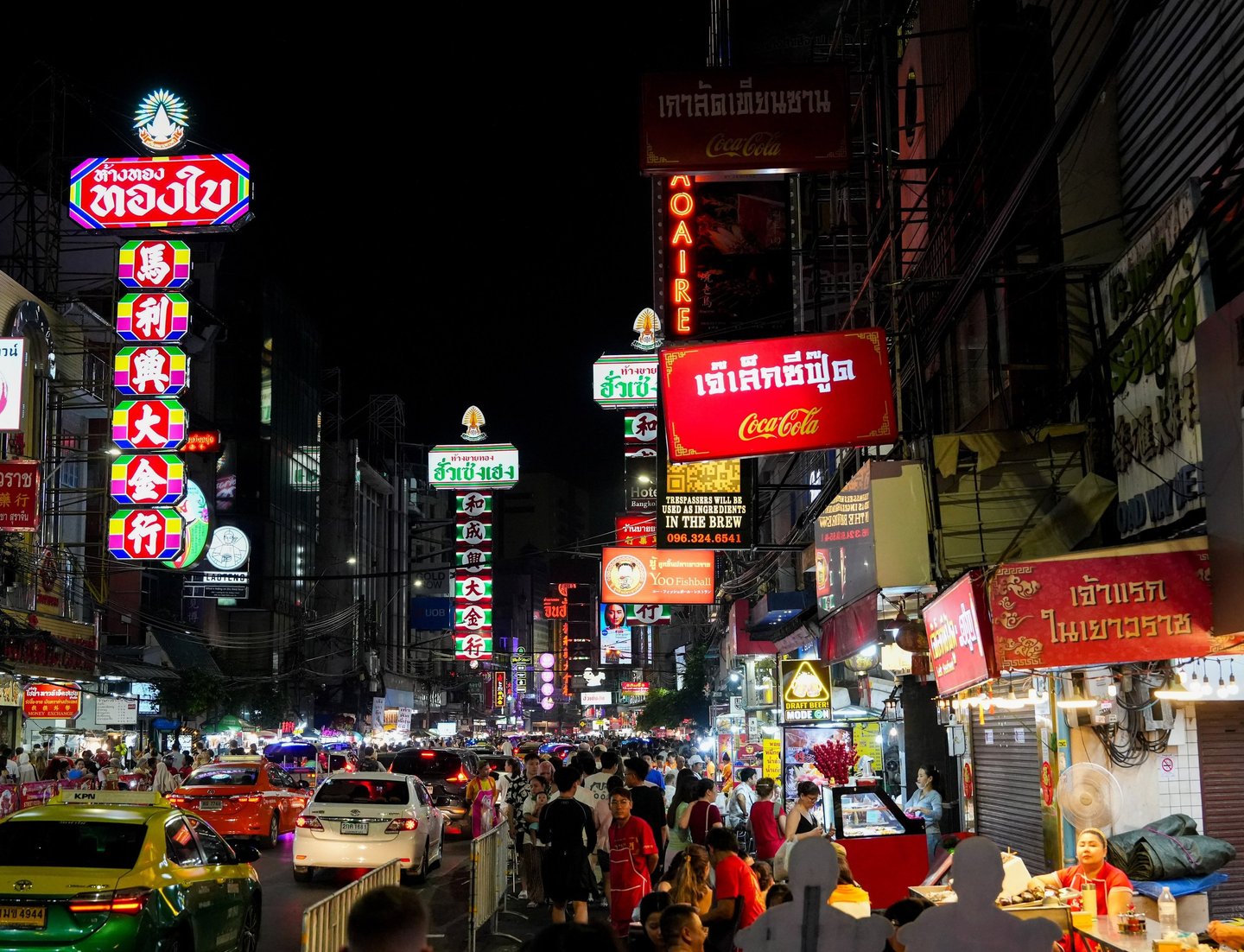
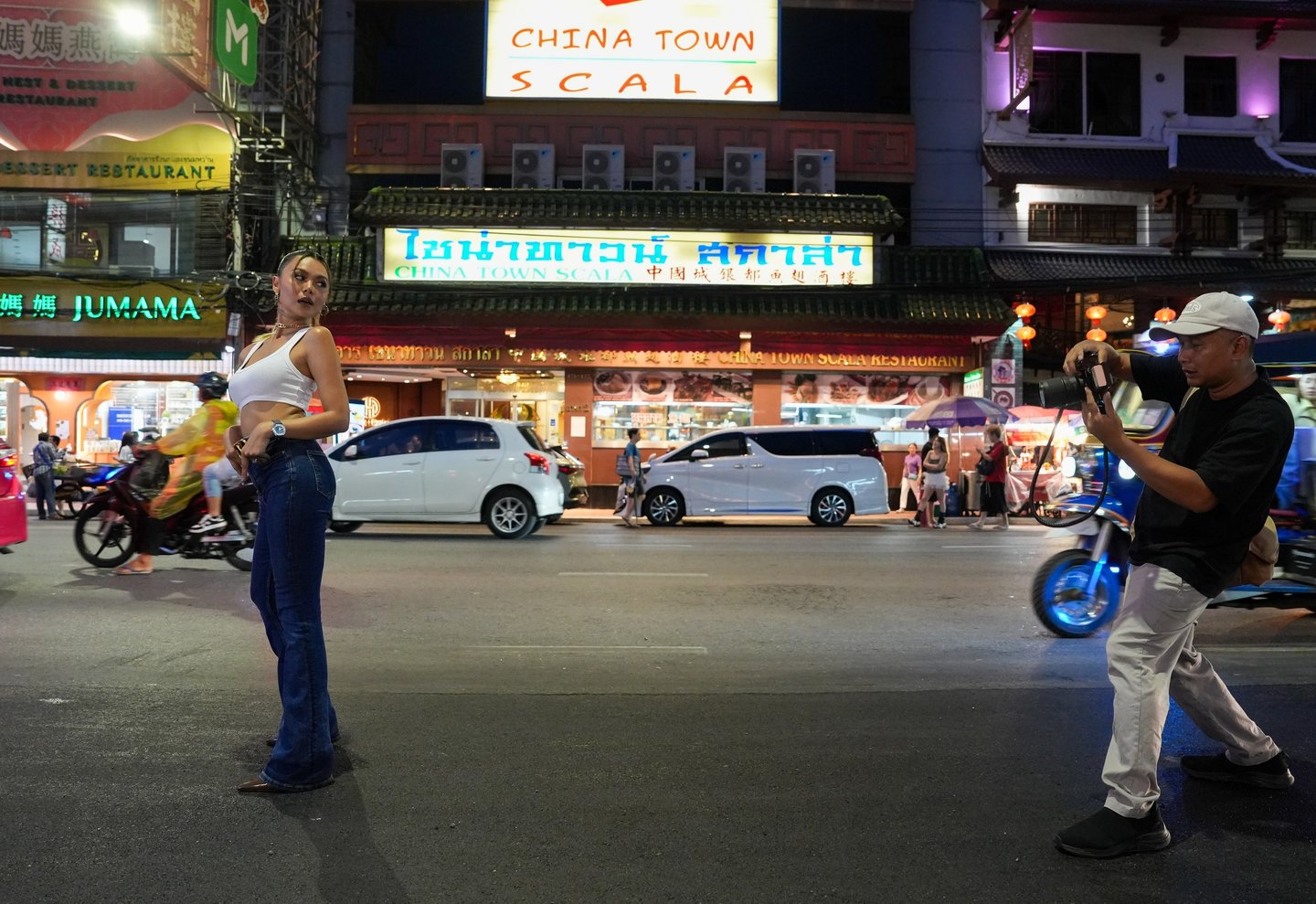
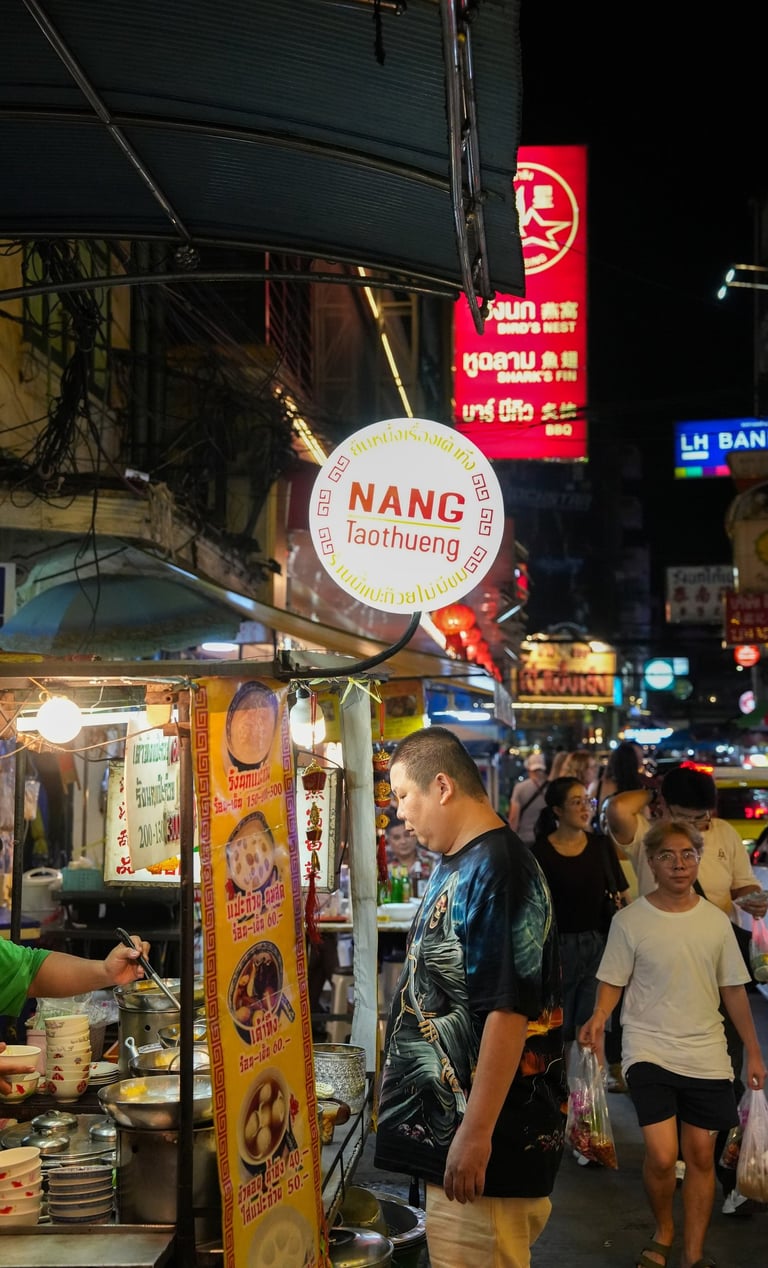
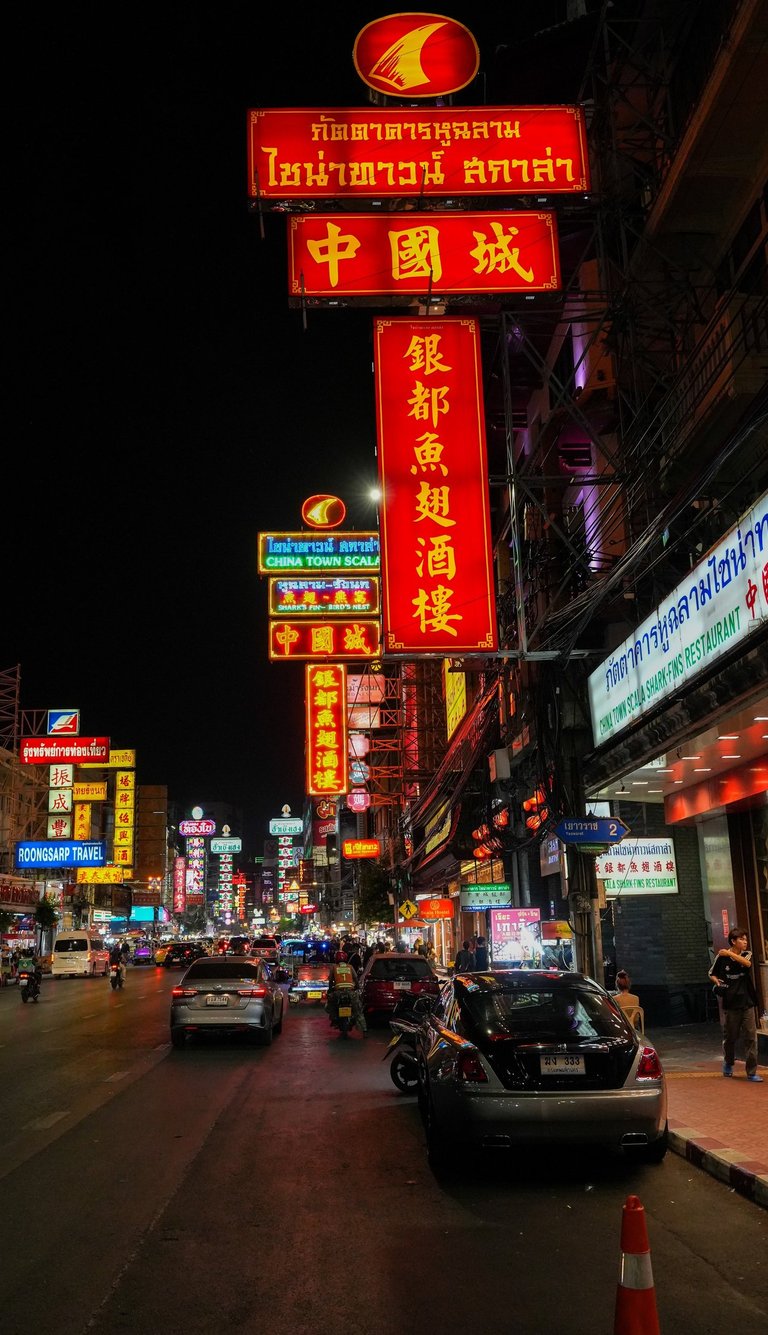
When the sun sets over Bangkok, one part of the city begins to glow in a very different way: Yaowarat Road, the beating heart of Chinatown, Bangkok.
This is one of those places where night photography and street photography come together almost effortlessly.
For this series I worked mainly with my Sony Alpha 7 IV paired with the Sony FE 24-70mm f/2.8 GM II. In an environment like Yaowarat Road, that setup really shows its strengths. Even at ISO values between 5000 and 6400, the camera delivers impressive image quality — something that makes a huge difference when working in fast-moving night scenes.
A Street Full of Energy
Yaowarat Road is the main artery of Bangkok’s Chinatown, an area that dates back more than two centuries. Chinese traders settled here in the late 18th century after Bangkok became the capital of Siam. Over time the district developed into one of the most important commercial centers in the city.
Today the street still carries that spirit of trade and migration — but after dark it transforms into something entirely different.
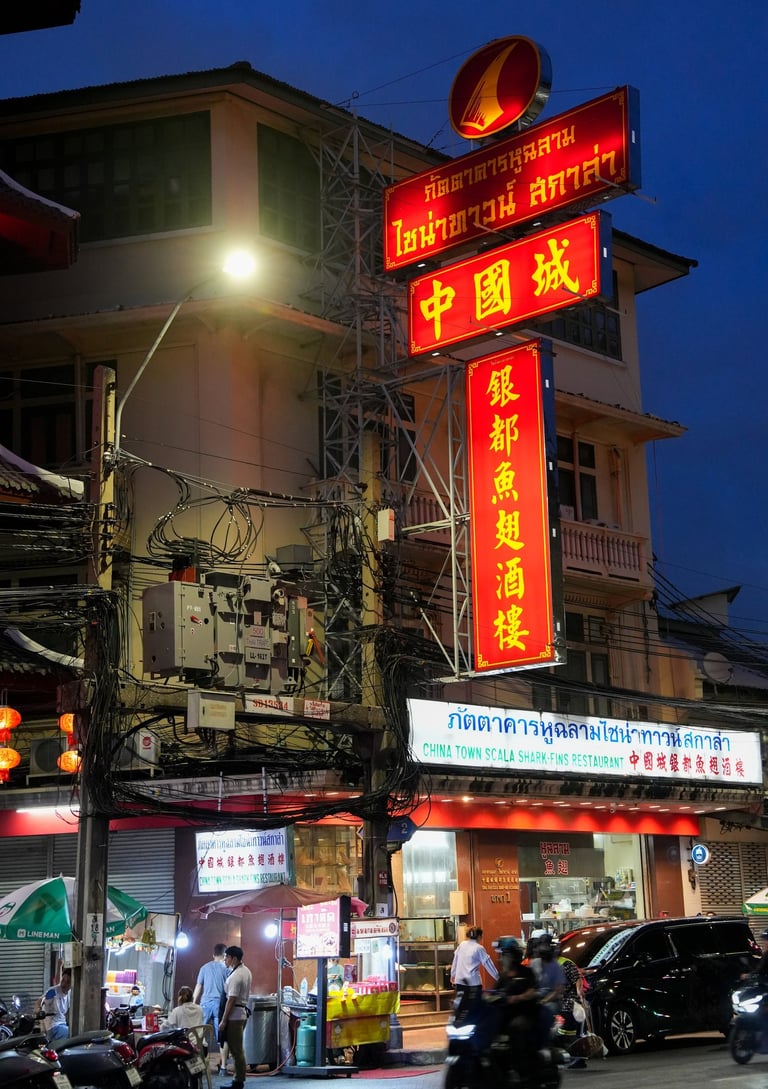
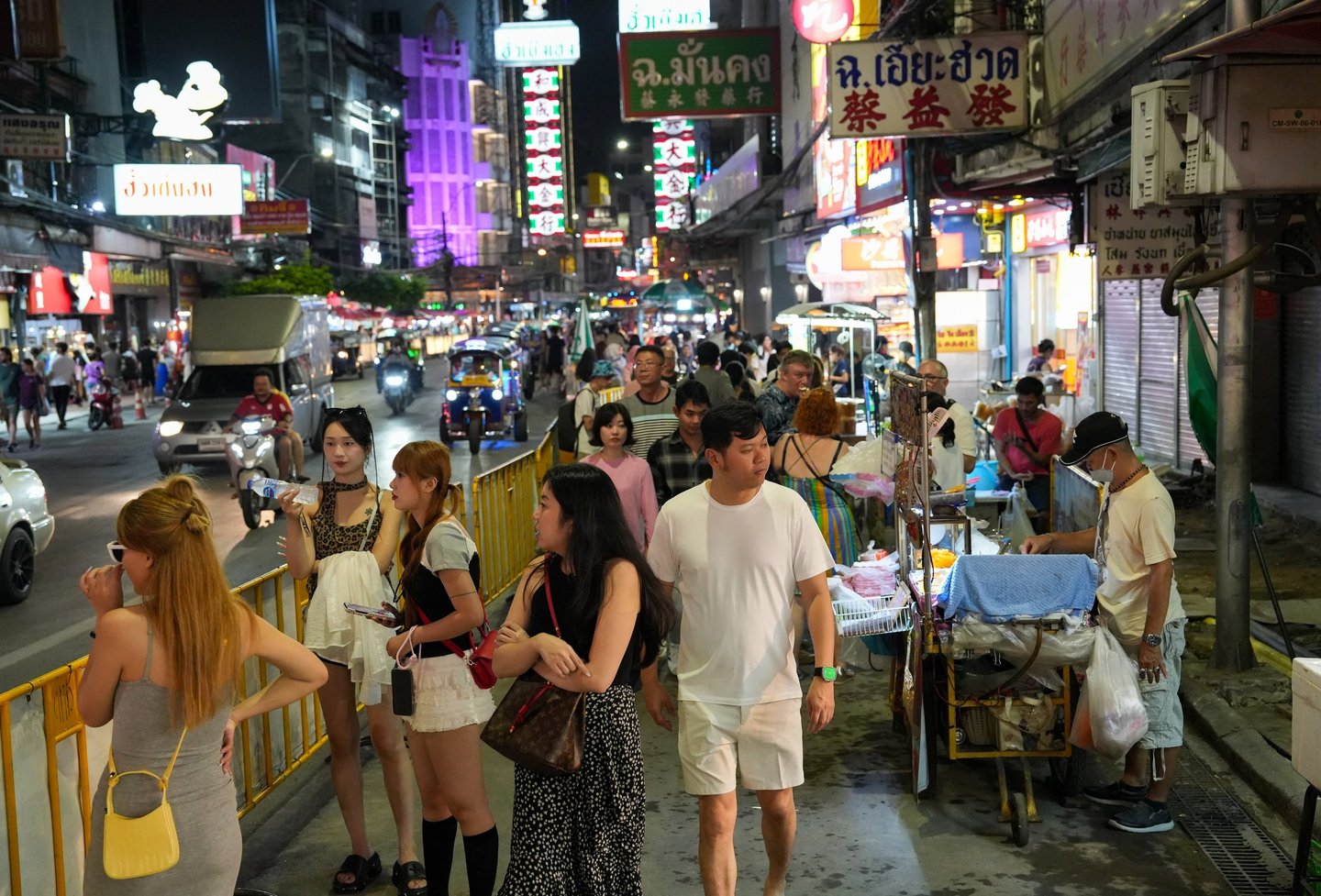
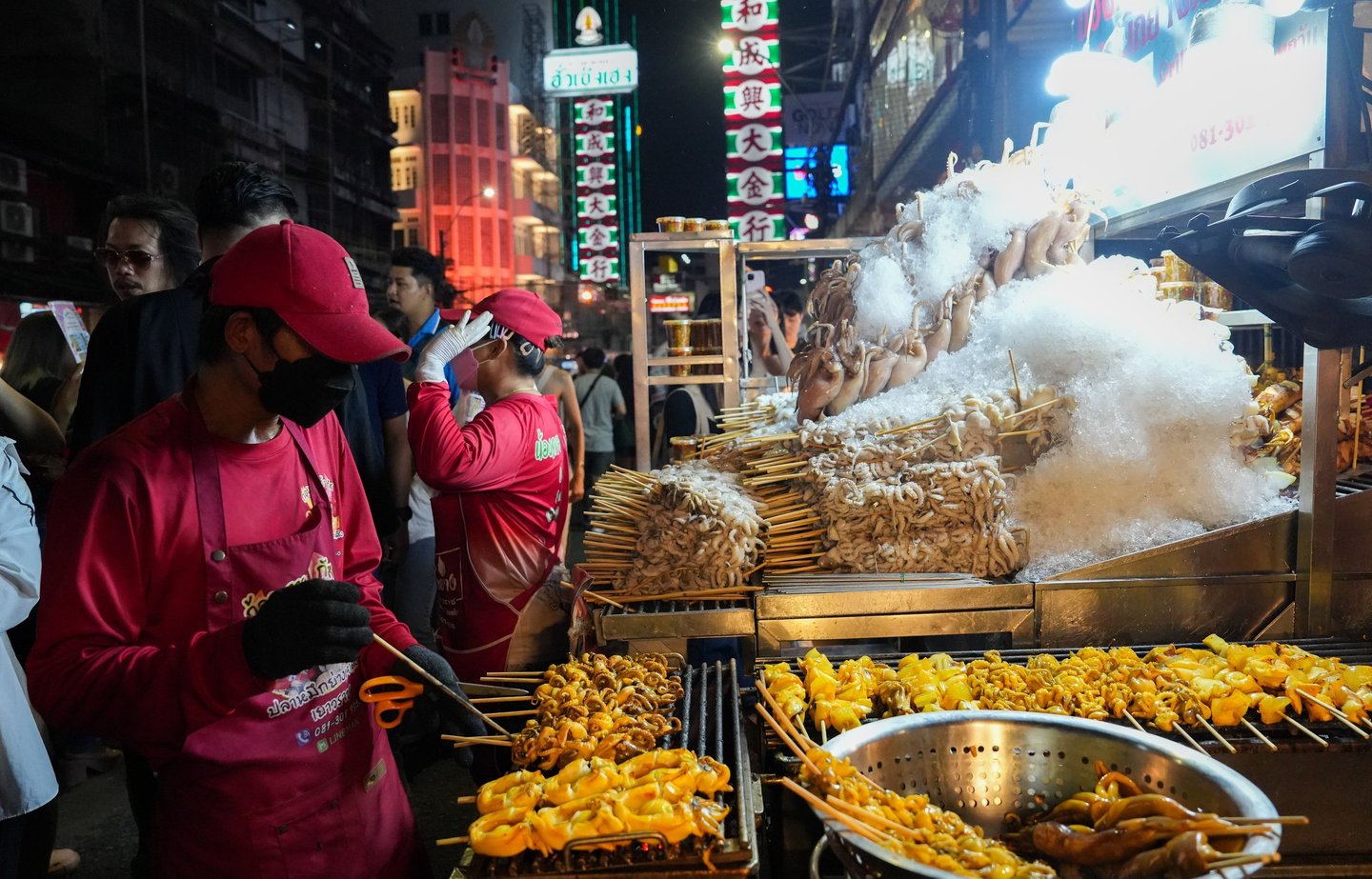
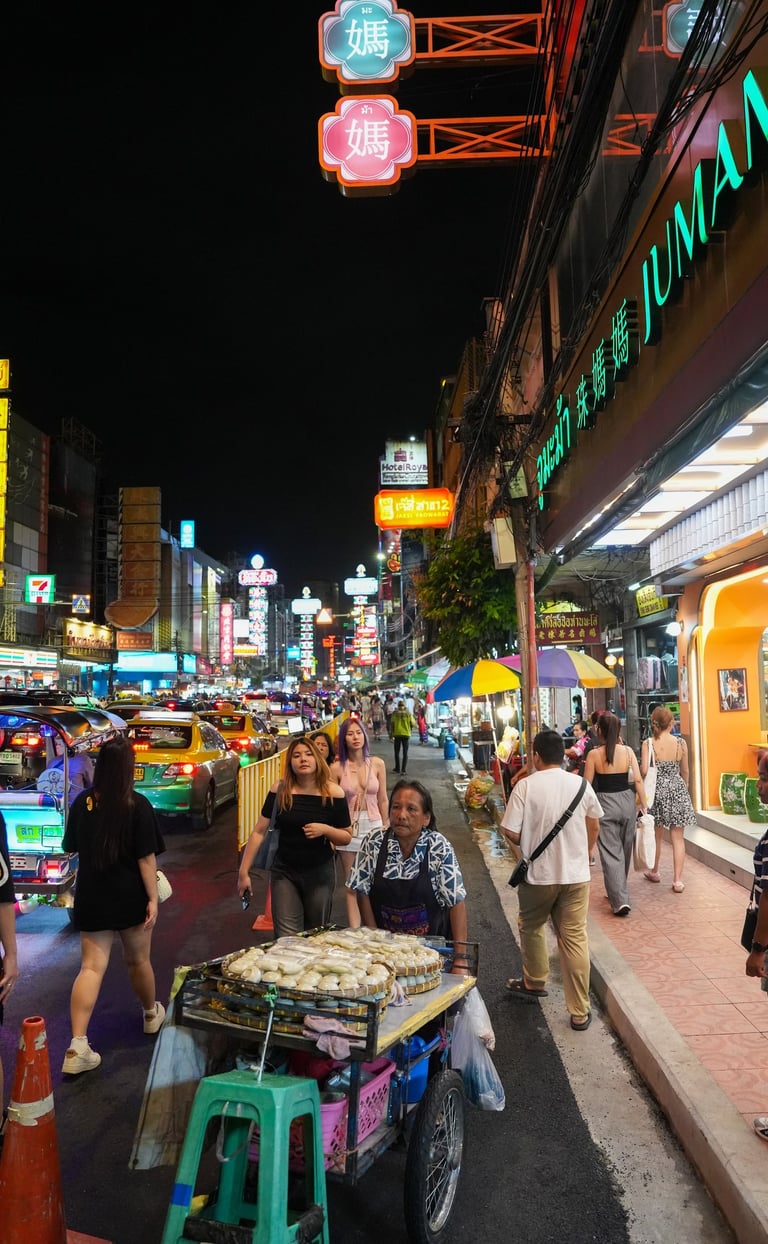
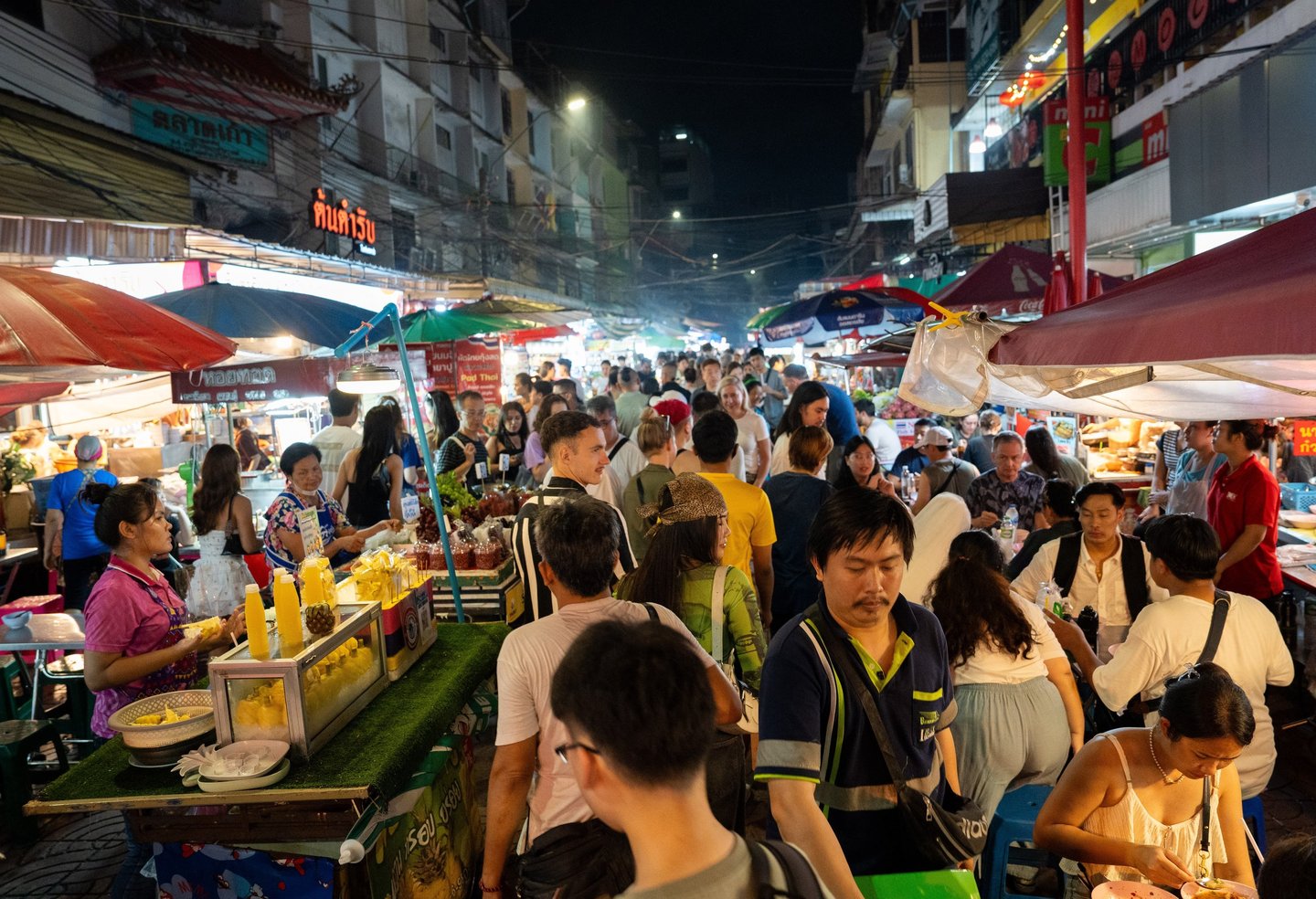
Neon signs in bright Chinese characters light up the street. Restaurants open their doors and the sidewalks fill with food stalls offering everything from seafood and noodles to desserts and tropical fruit. The density of people here is remarkable. Locals, travelers, and night photographers all move through the same narrow spaces, creating an atmosphere that feels chaotic yet strangely organized.
For anyone interested in street photography in Bangkok, this is one of the most exciting places in the city.
Scenes Between Neon Lights and Side Streets
While the main road is full of bright lights and traffic, the nearby alleys reveal a different side of Chinatown.
In small side streets and narrow lanes you’ll find simple street food kitchens and family-run restaurants preparing meals right on the sidewalk. The smells, the noise, and the constant movement create an environment where something interesting seems to happen every few meters.
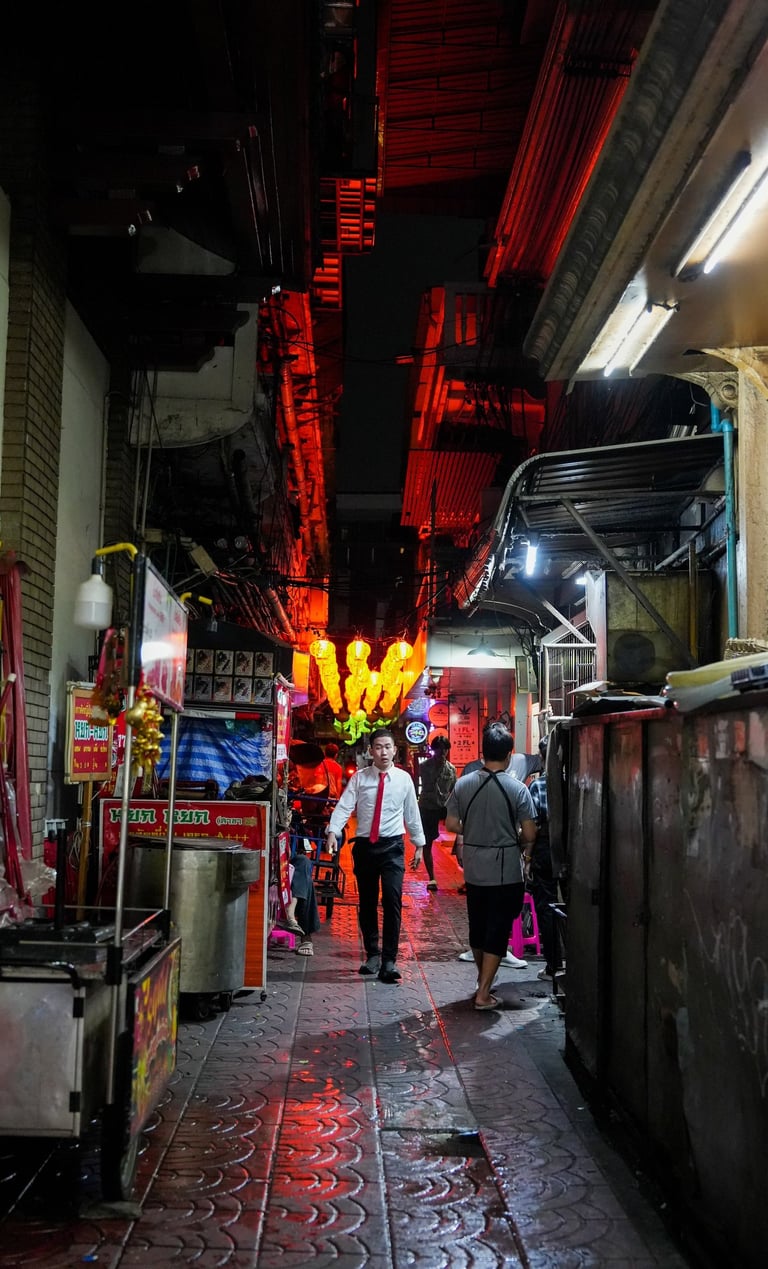
In one darker back alley behind a restaurant, I photographed a scene that could easily have come from a film noir moment — a sharply dressed Asian man in a white shirt and tie standing in the shadows, giving the impression that some kind of quiet deal was taking place.
Moments like that are exactly why documentary street photography works so well in this part of Bangkok. The city writes its own stories — you just need to be there with the camera.
Tuk-Tuks, Hotels, and Nightlife
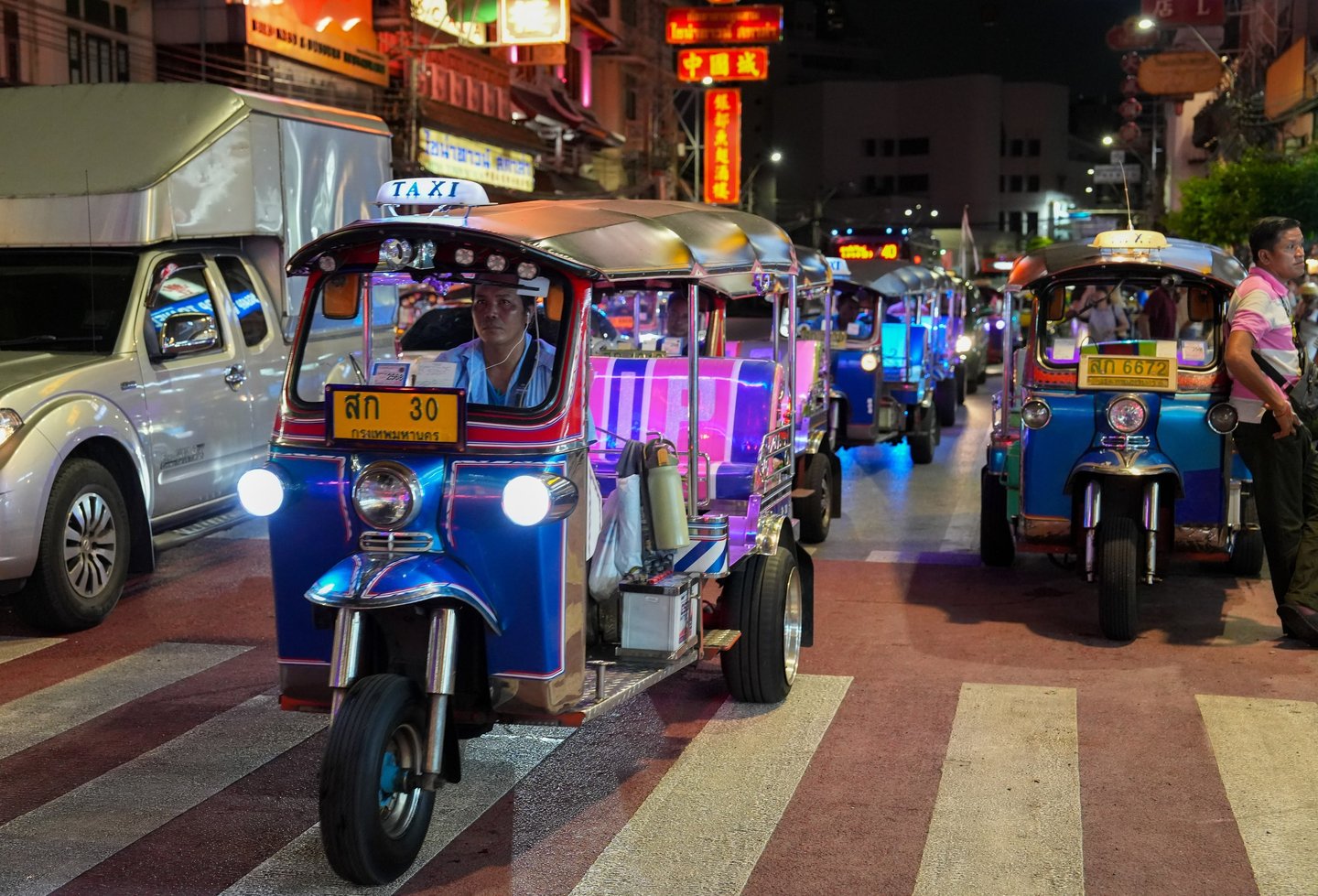
Along Yaowarat Road you’ll also see countless tuk-tuk taxis waiting for passengers, their colorful lights blending into the neon glow of the street.
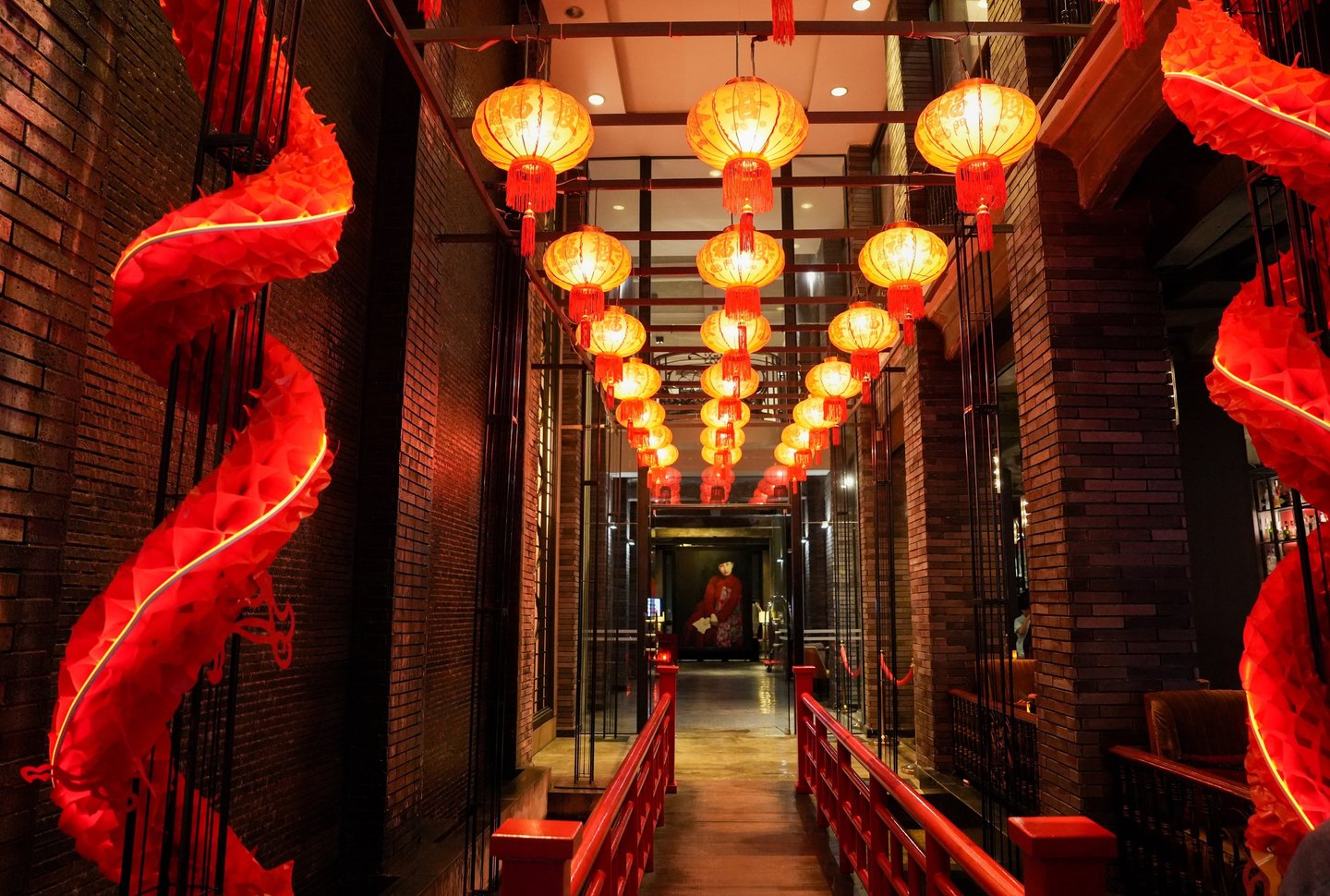
One particularly striking location I photographed was the entrance of the Shanghai Mansion Bangkok, right in the center of Chinatown. The building stands out with its distinctive Chinese-style design and bright red entrance.
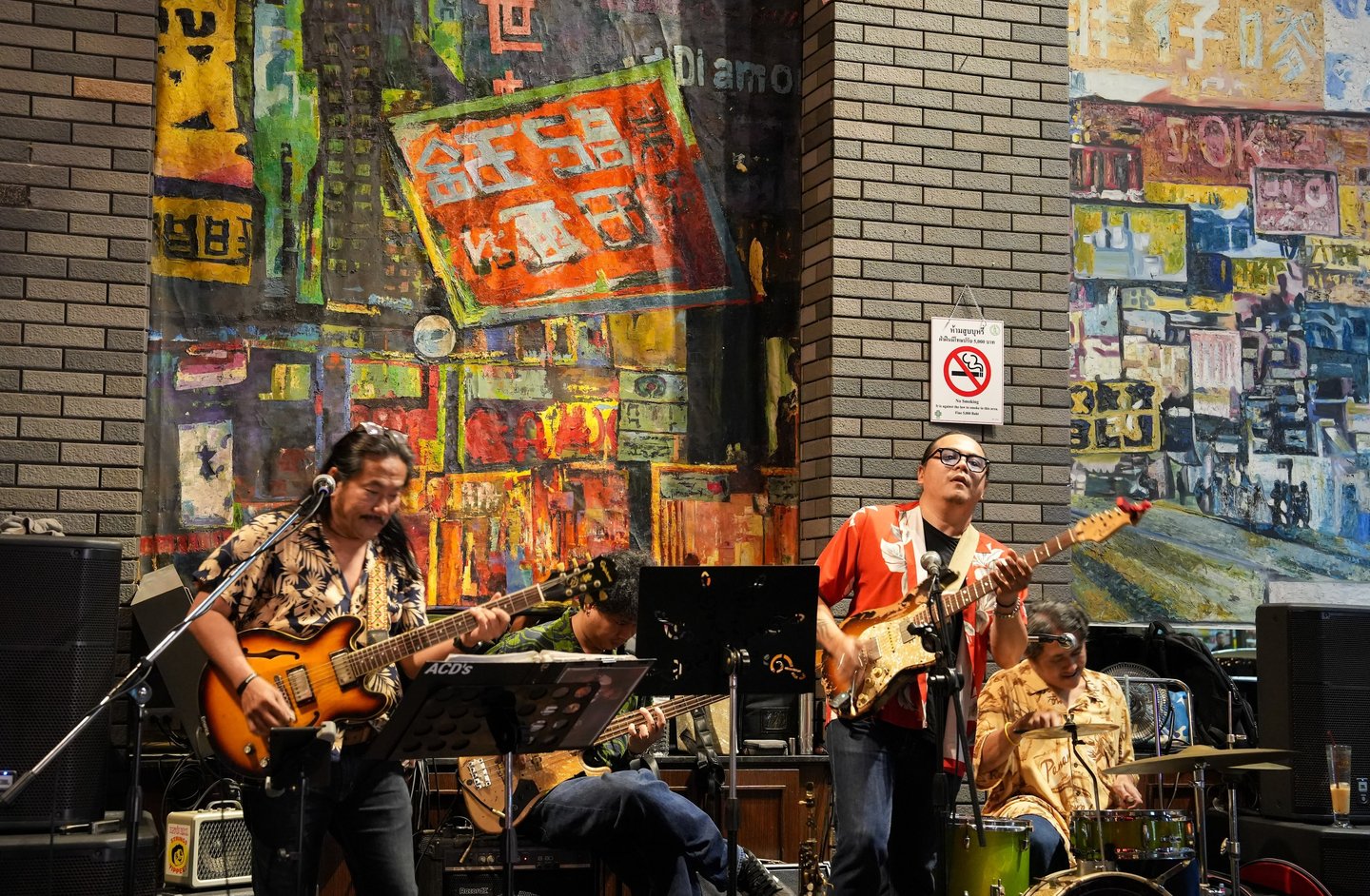
Inside the foyer, an Asian rock band was performing live when I passed through — adding another layer to the atmosphere of the neighborhood.
Bangkok Street Photography at Its Best
For me, Yaowarat Road is one of the most fascinating places in Bangkok to photograph at night. The mix of history, migration, food culture, neon lights, and street life creates an environment that constantly changes from moment to moment.
This is not a quiet place, and that’s exactly what makes it interesting.
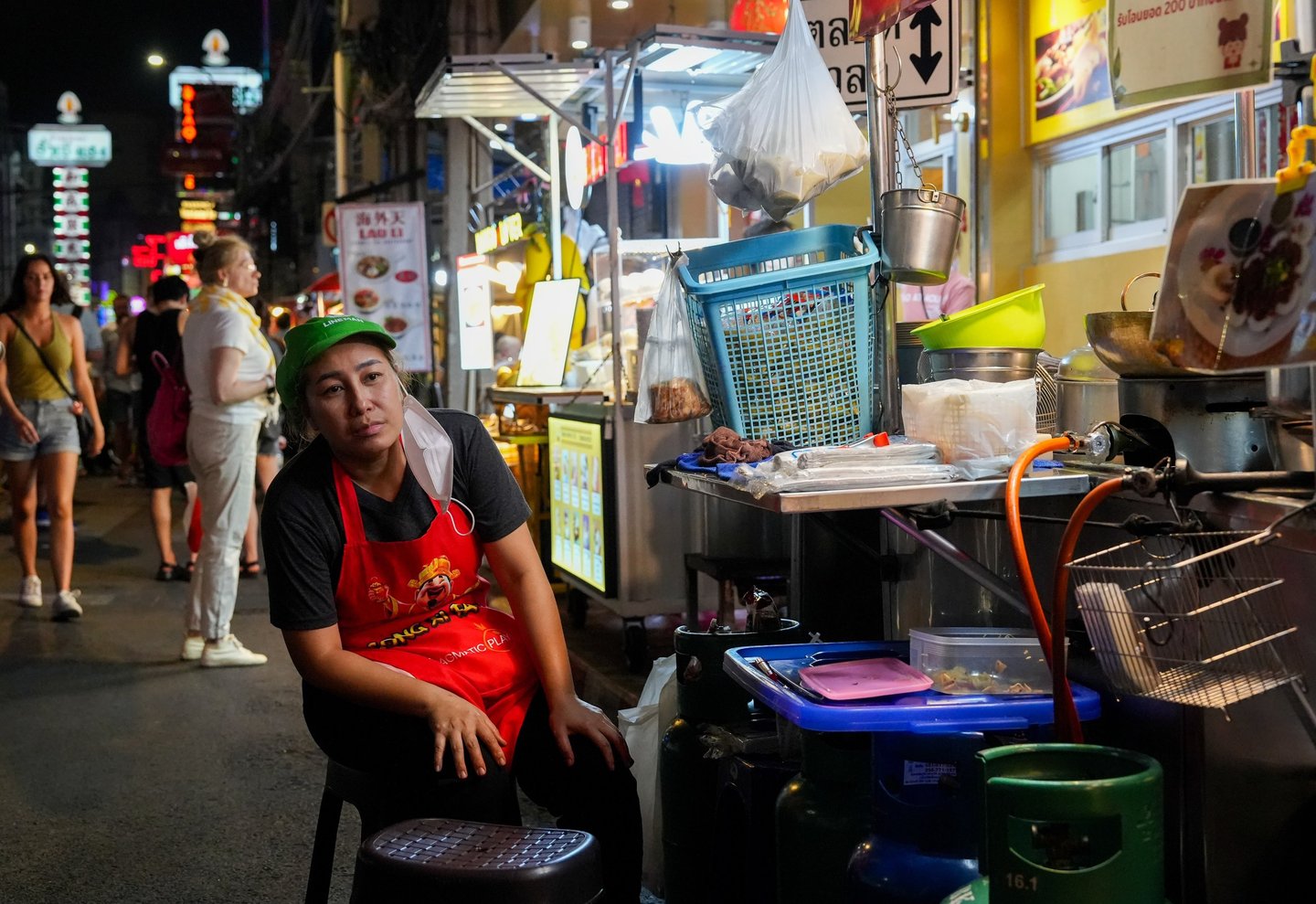
For travel photographers, documentary storytellers, social media creators, or editors looking for authentic images from Bangkok’s Chinatown, Yaowarat Road remains one of the most visually intense streets in Southeast Asia.
And every time I return, the street seems to tell a slightly different story.
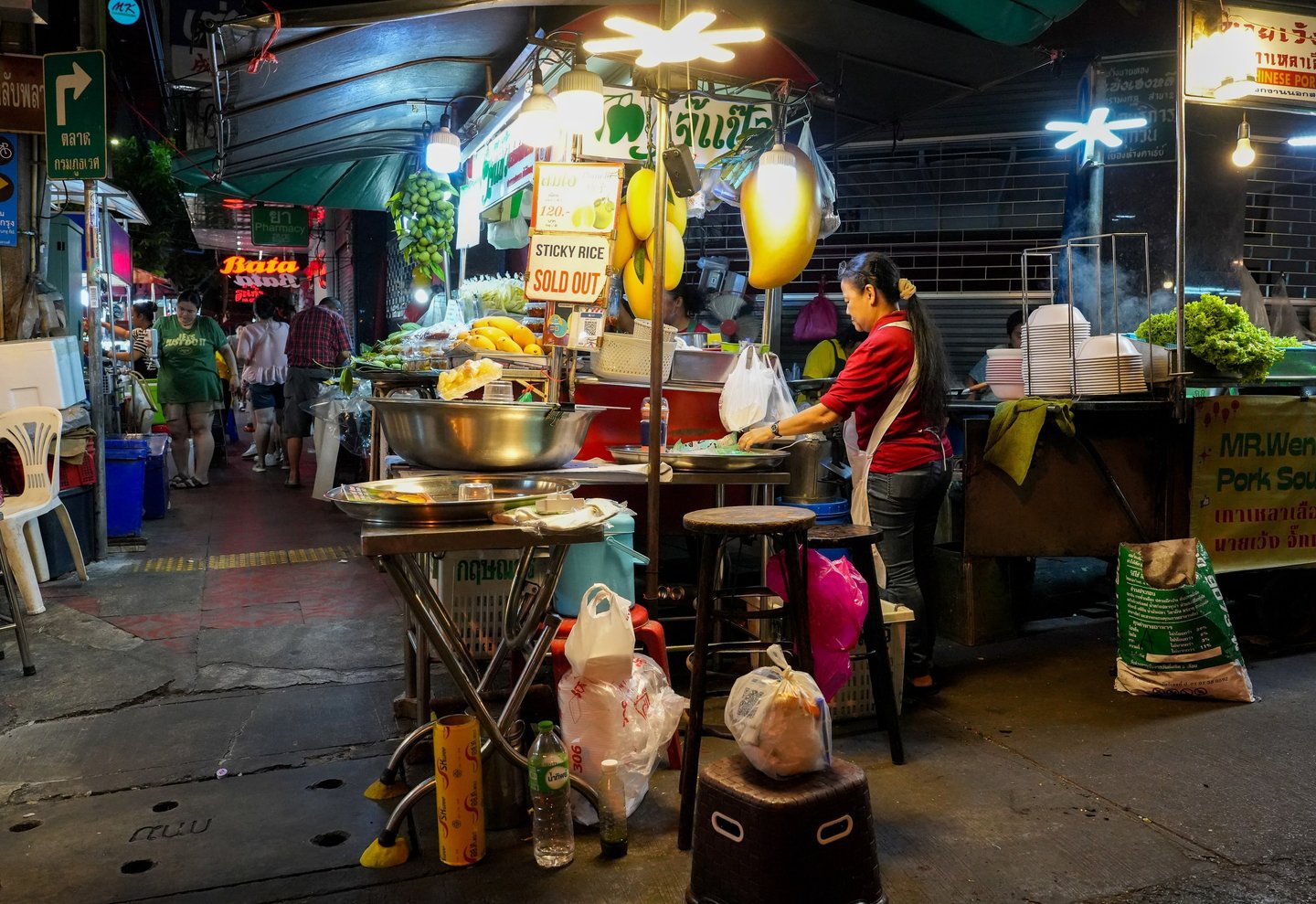
Thonburi Khlongs – Bangkok’s Quiet Waterways Beyond the Skyline
On the western side of the Chao Phraya River, a completely different side of Bangkok begins — slower, quieter, and far removed from the glass towers and traffic of the modern city.
Welcome to Thonburi and its network of khlongs, the canals that once defined Bangkok.
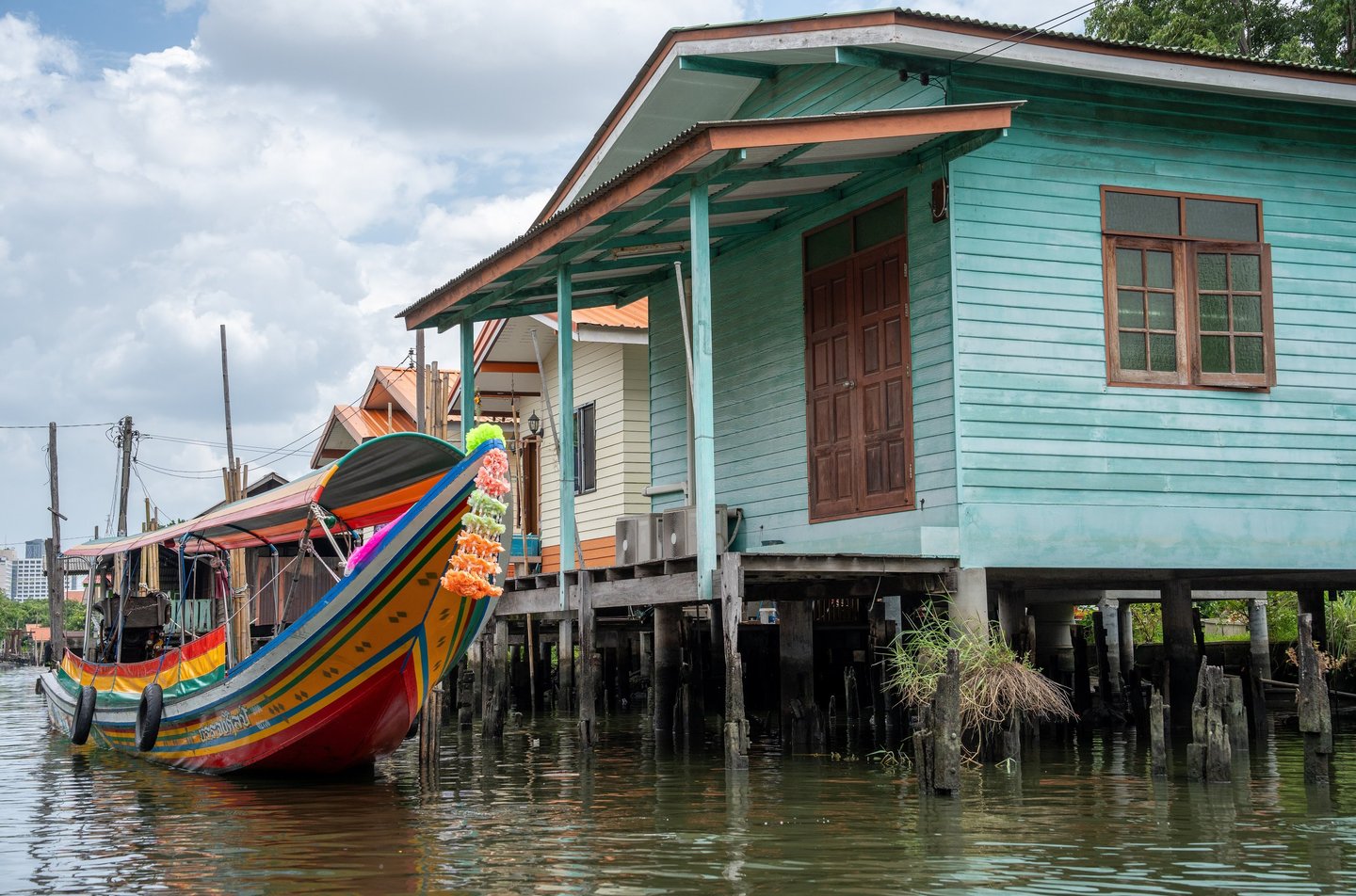
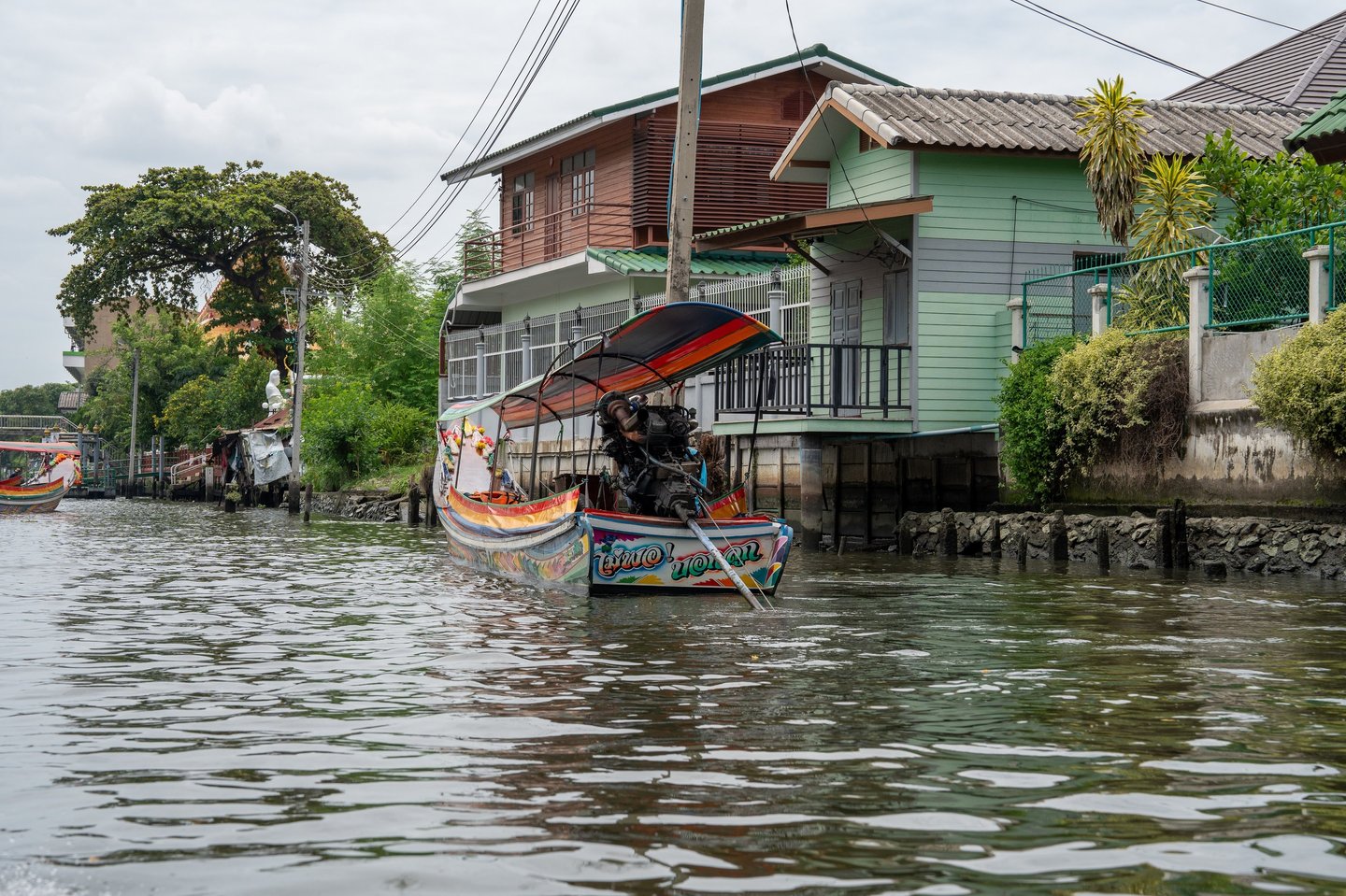
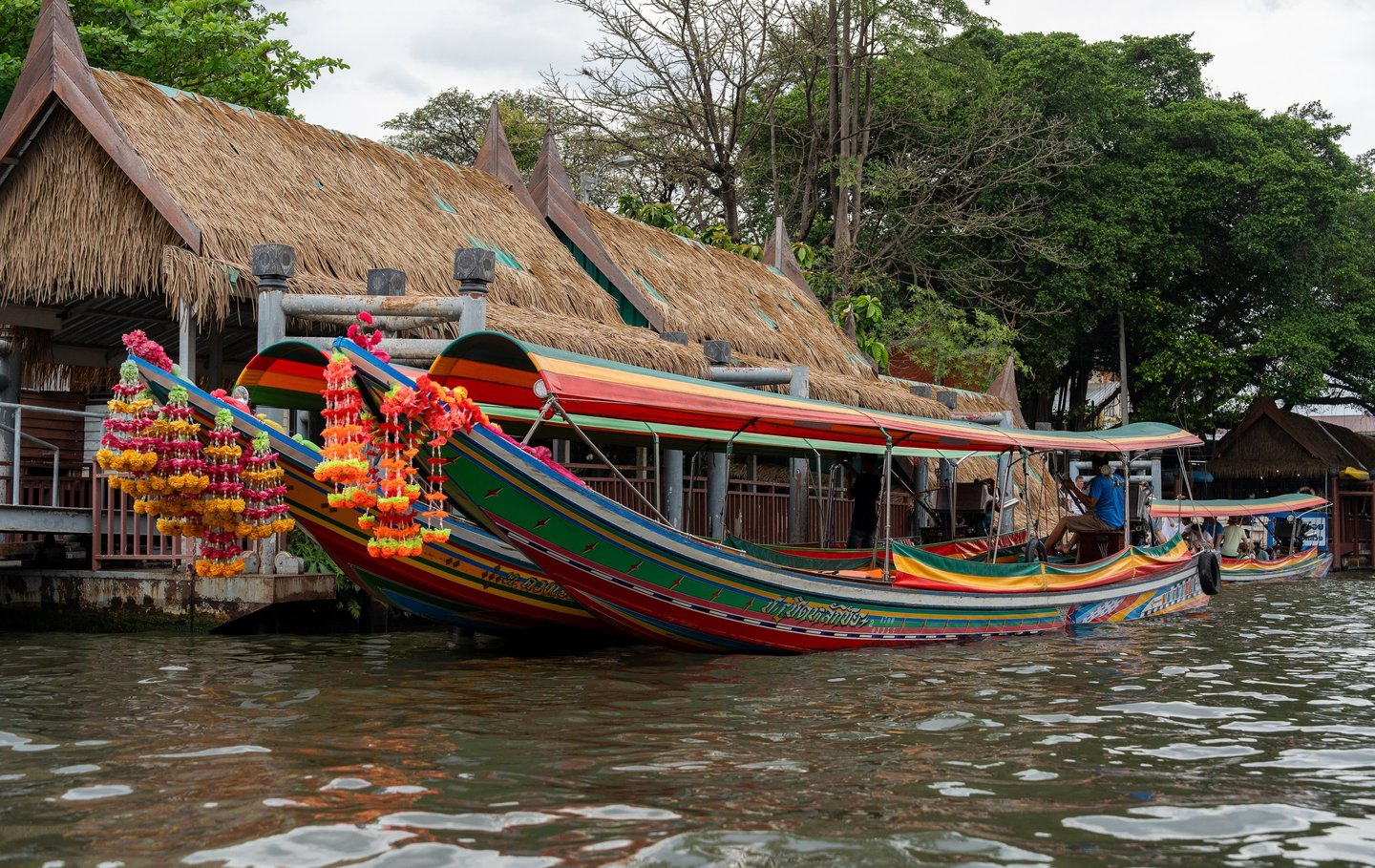
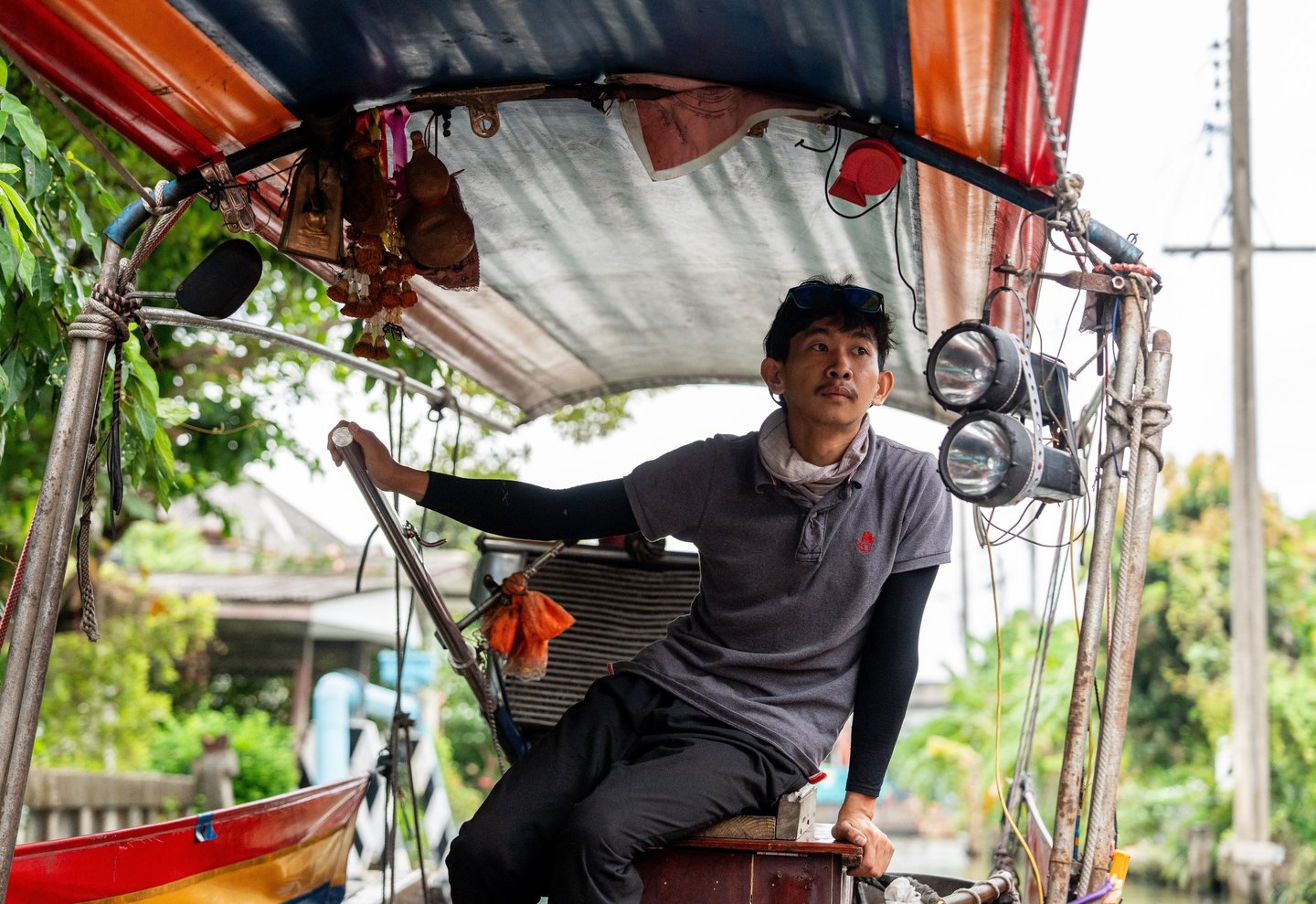
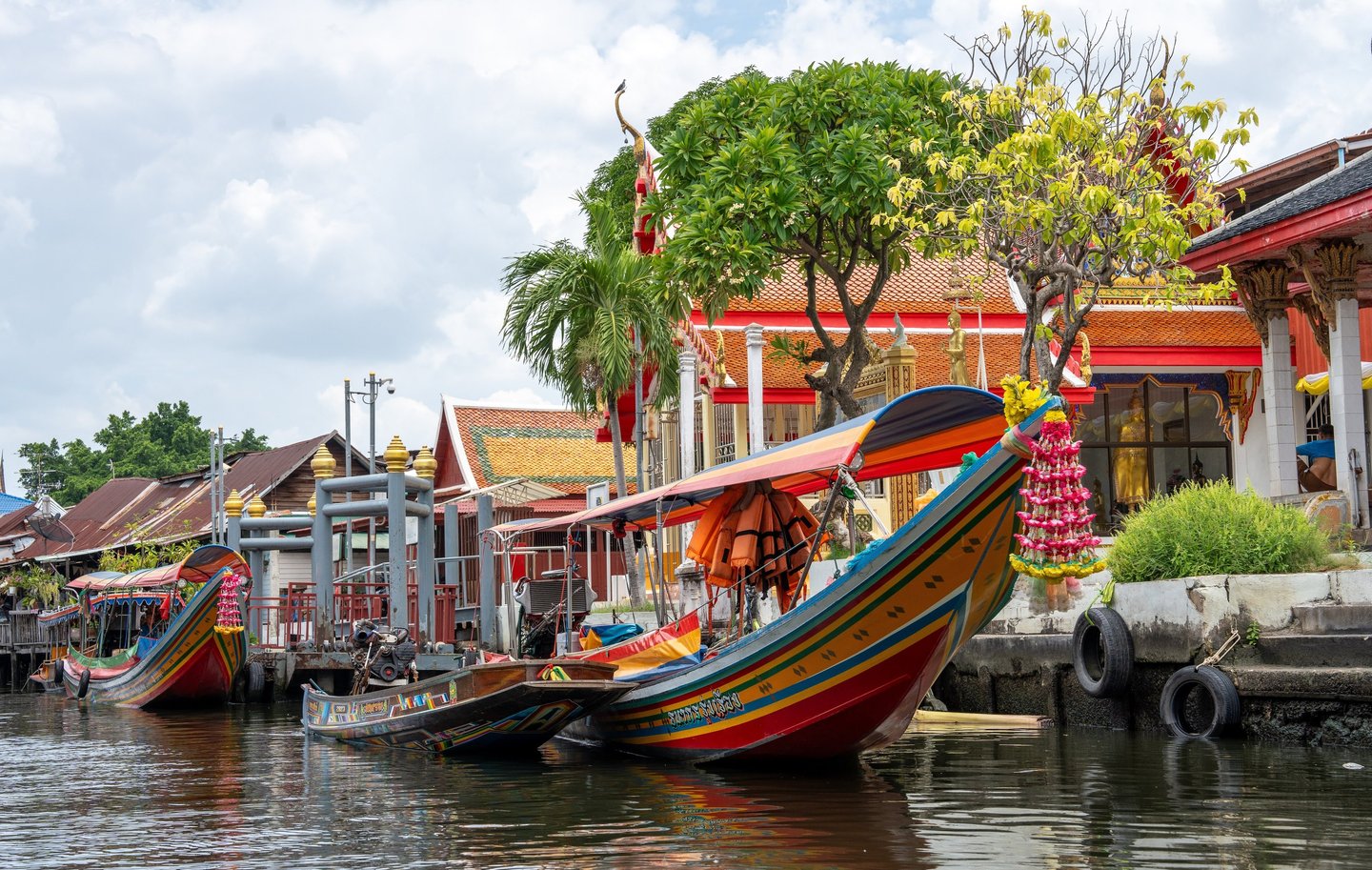
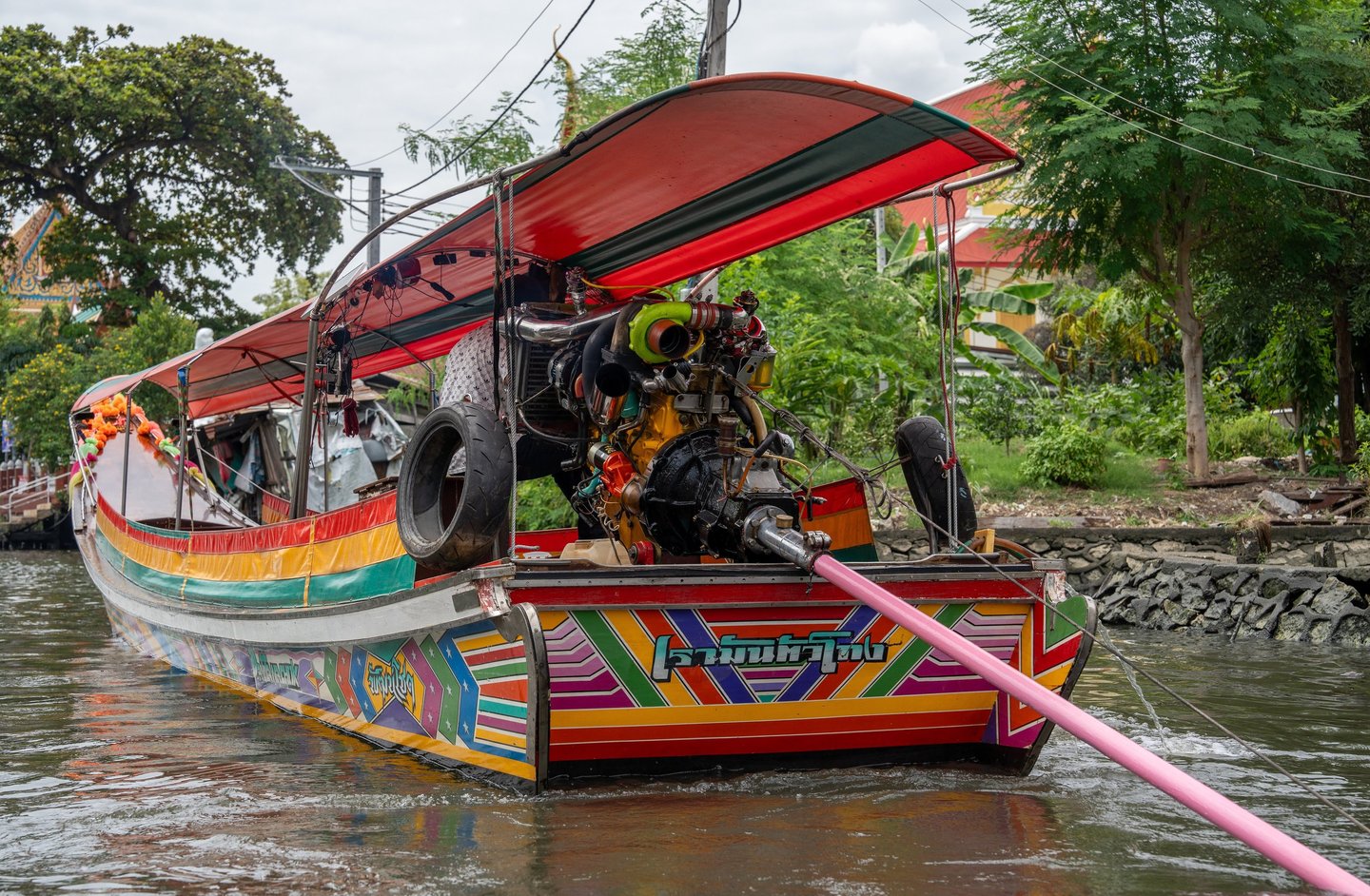
For this section, most of the images were taken during the day from a traditional Thai long-tail boat moving through the canals. I set my Sony Alpha 7 IV to ISO 400, which allowed shutter speeds above 1/1000 sec at around f/8.0 — necessary conditions when shooting from a moving boat. The constant motion of the water and the boat doesn’t leave much room for error.
A Look Back – The Old Capital
Before Bangkok became the capital we know today, Thonburi itself was the center of power. After the fall of Ayutthaya in 1767, King Taksin established his capital here on the western banks of the river.
Even though the capital later moved across the river to what is now central Bangkok, Thonburi never lost its identity.
The area still preserves elements of an older way of life — one that is closely tied to the water.
The khlongs, originally used for transport, trade, and daily life, earned Bangkok the nickname “Venice of the East.” While many canals in the city have disappeared over time, Thonburi still offers a glimpse into that past.
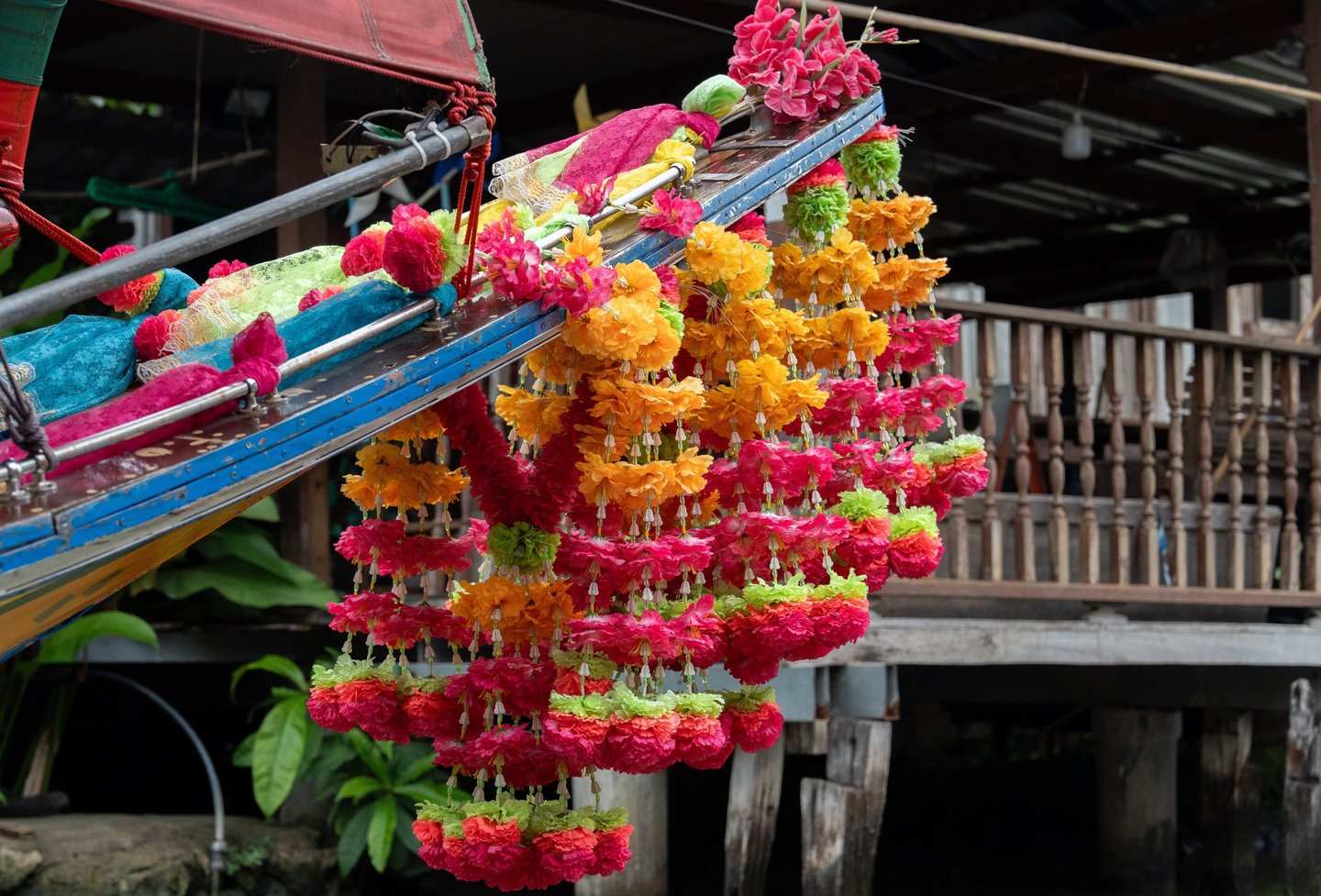
Life Along the Khlongs
Moving through the canals by boat, the city changes character almost instantly.
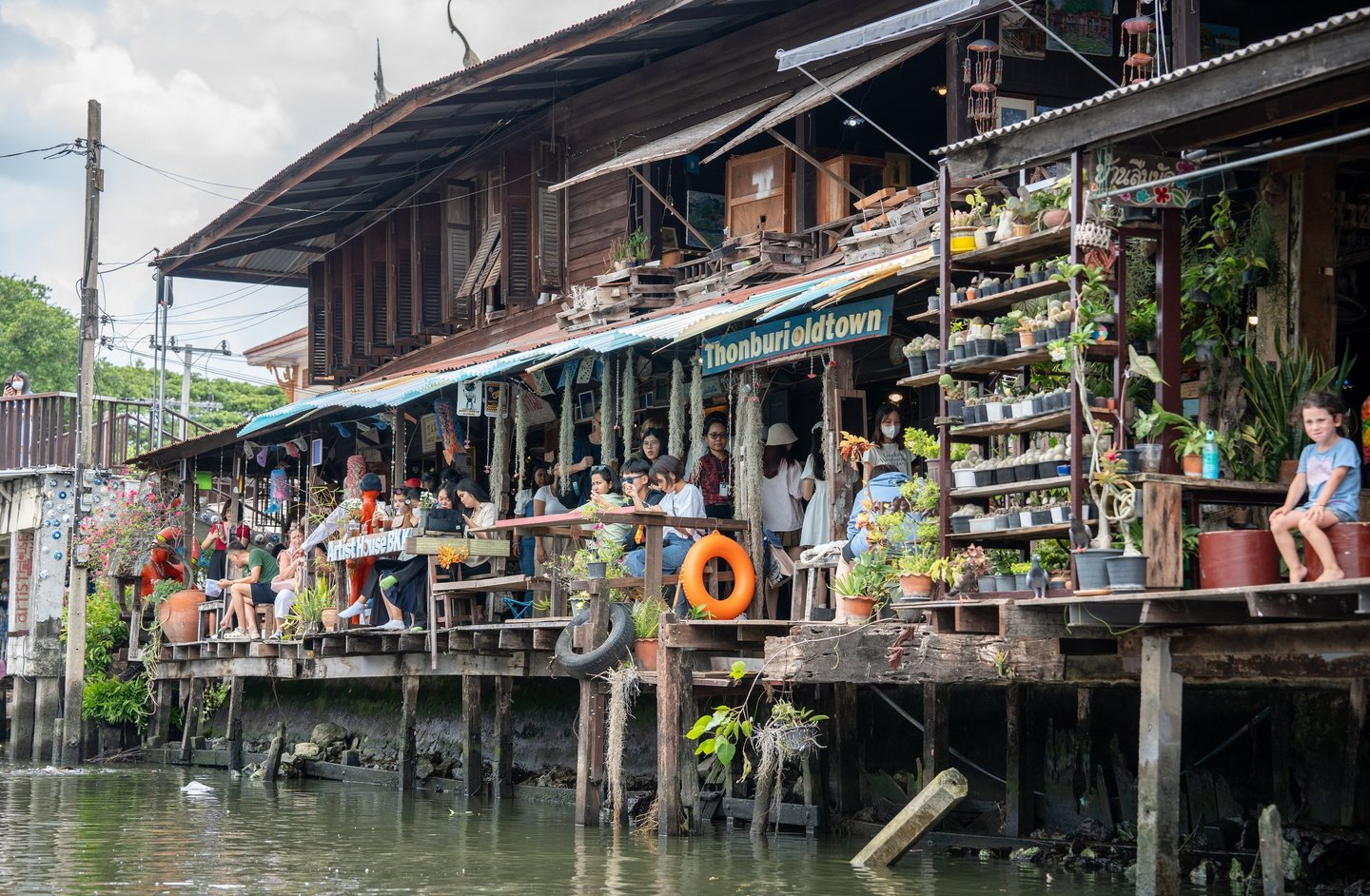
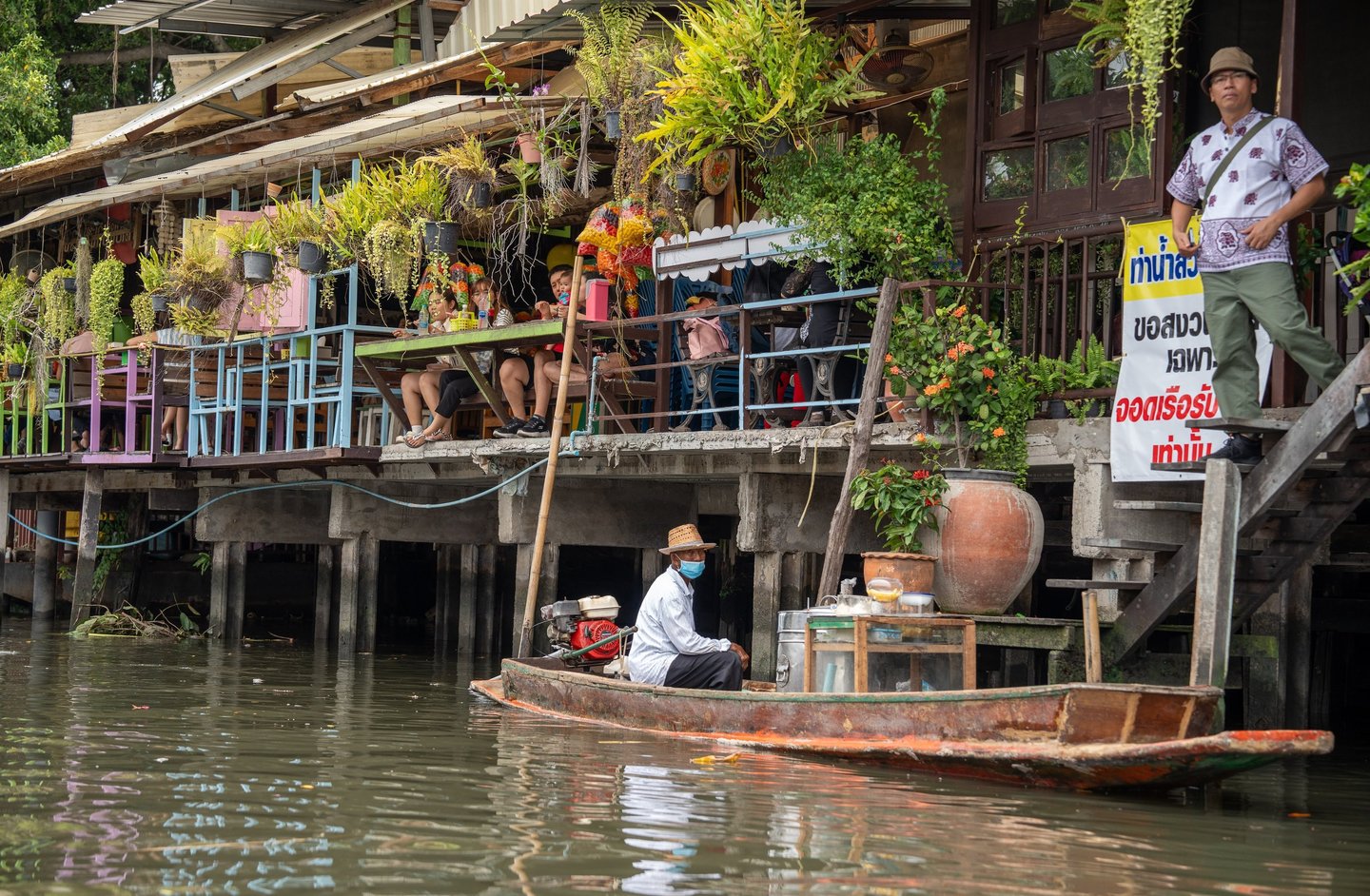
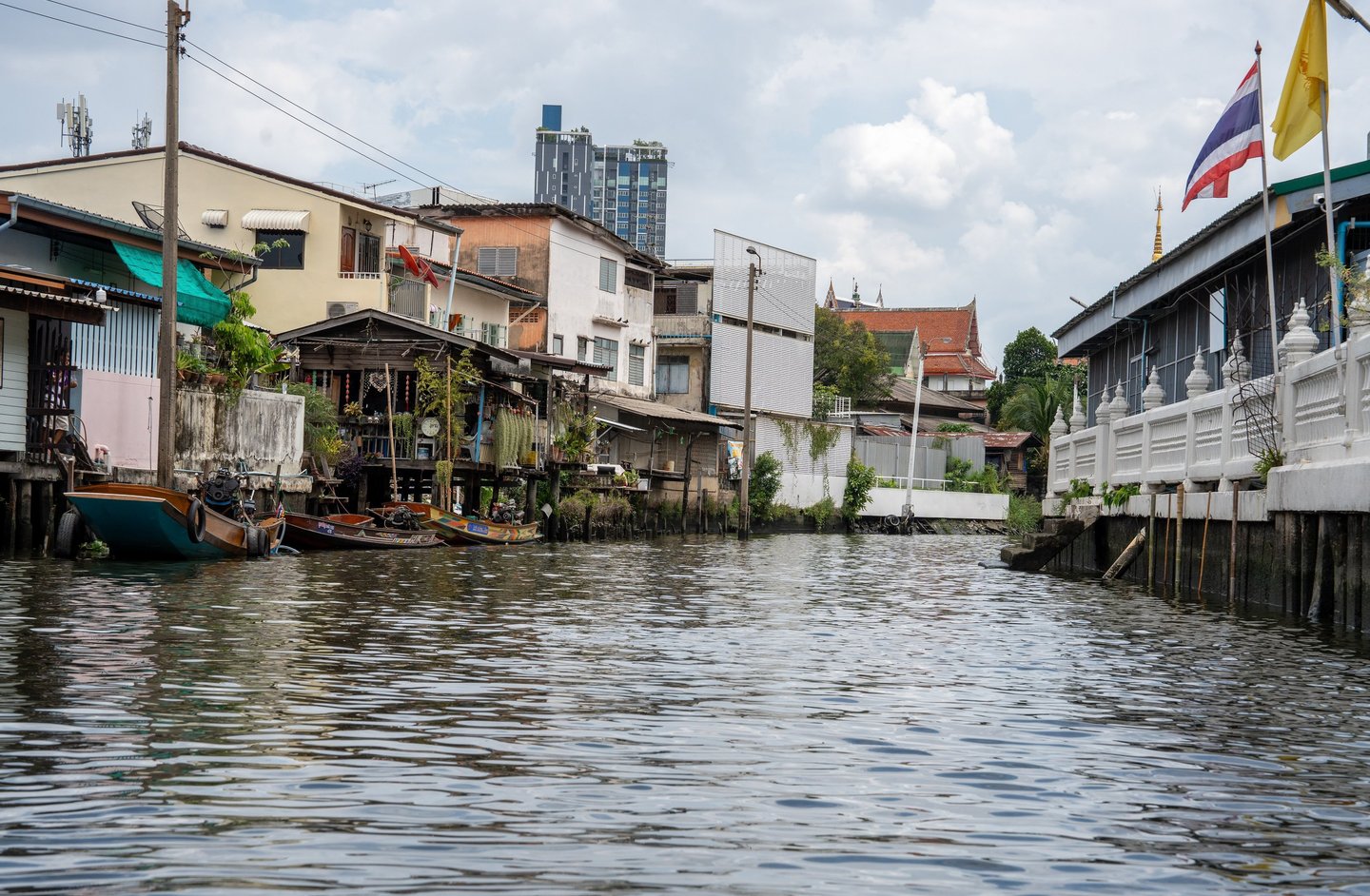
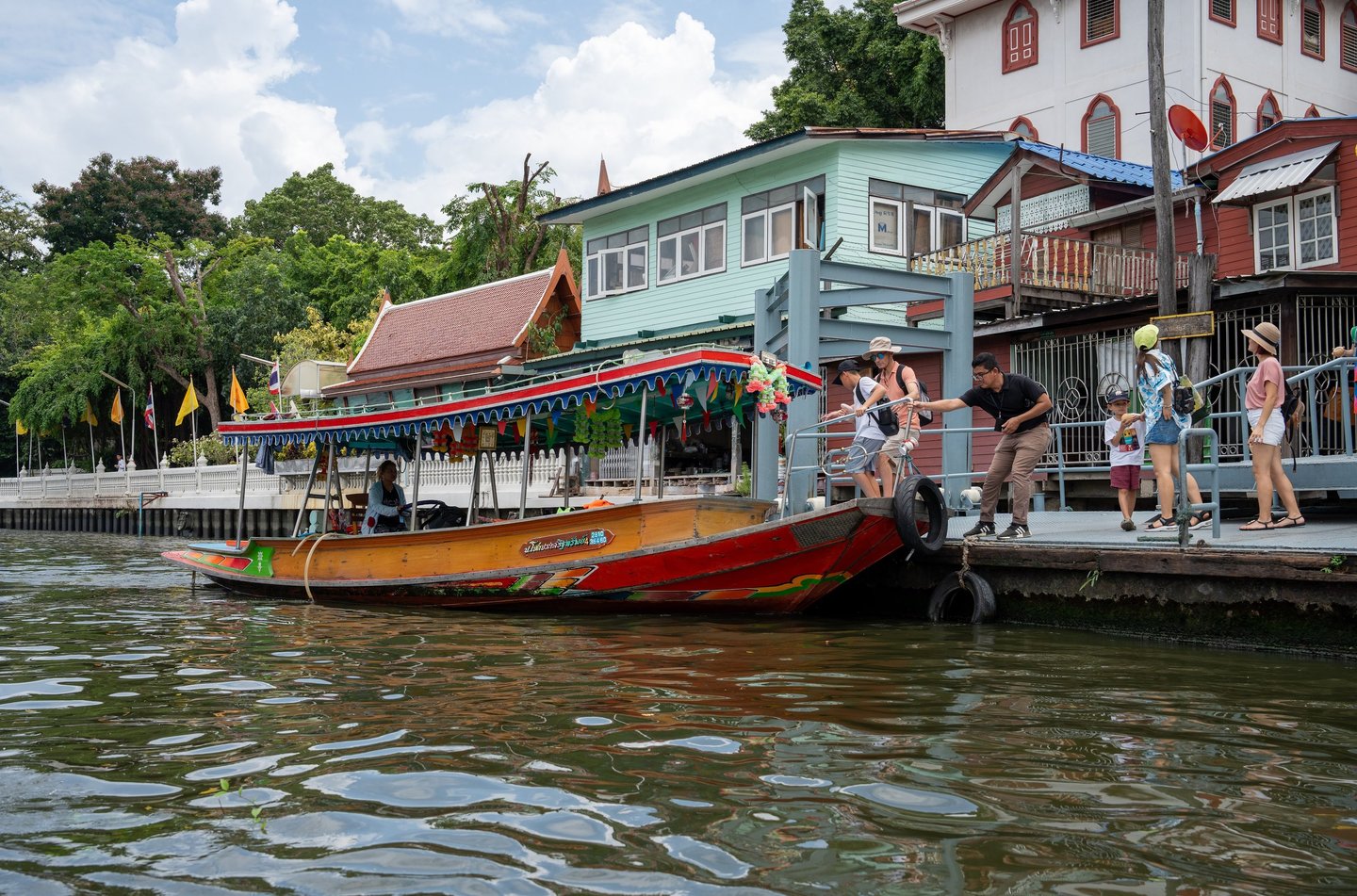
Wooden houses stand directly on the water, many built on stilts, with small docks where boats are tied up. Some of these homes have been here for decades, weathered by sun and rain, while others have been adapted into small restaurants, cafés, or bars overlooking the canal.
Boats are everywhere — not just for tourists, but as part of everyday life.
They are used for transport, deliveries, and moving between neighborhoods that are still more connected by water than by road.
From a photographic perspective, this environment is constantly shifting.
Reflections on the water, passing boats, narrow canals, and layers of wooden structures create compositions that feel both chaotic and balanced at the same time.
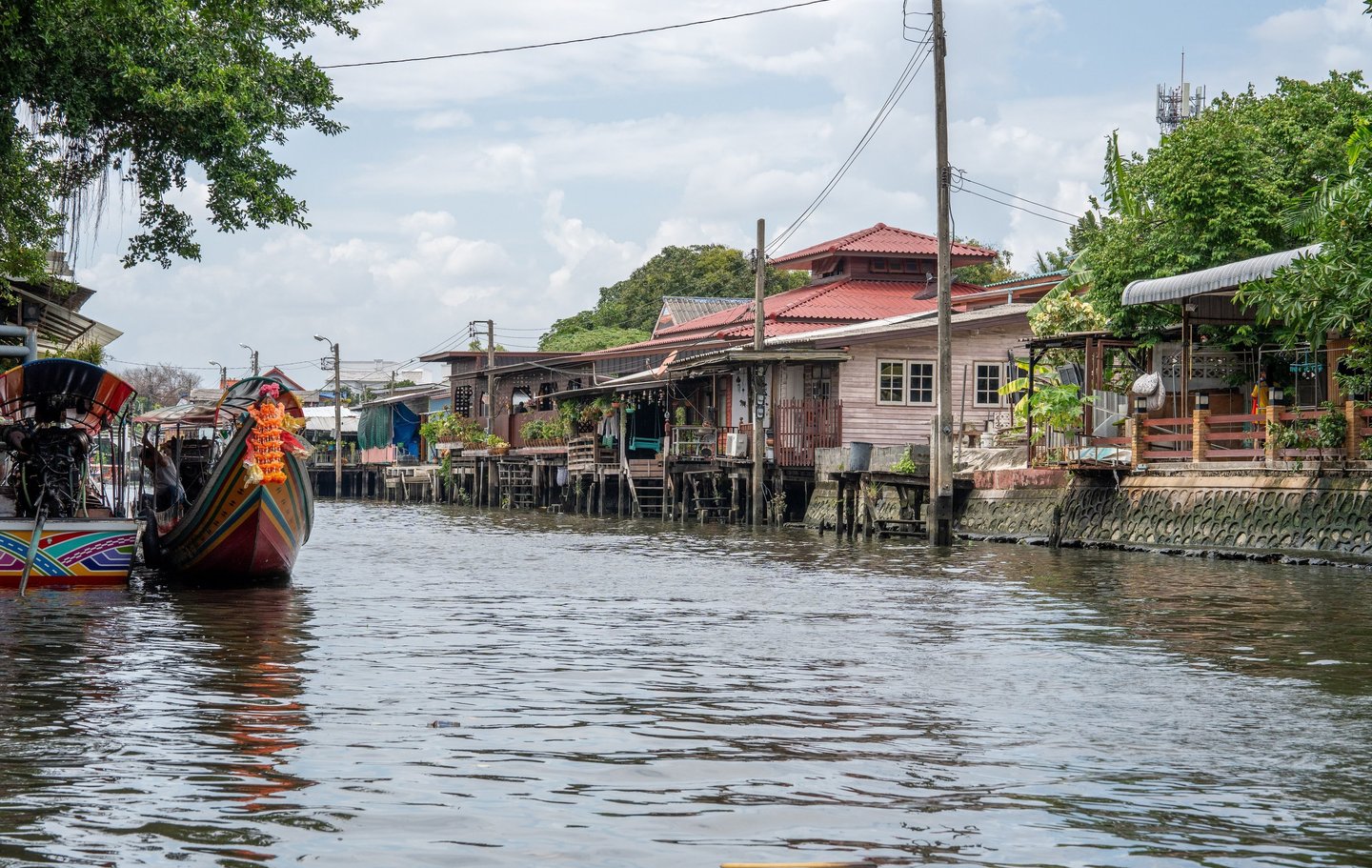
Between Movement and Stillness
Shooting from a moving long-tail boat adds its own dynamic.
Scenes appear and disappear within seconds — a house, a dock, a passing boat — and timing becomes everything.
At the same time, there is a certain calmness in Thonburi that contrasts strongly with the rest of Bangkok. No neon lights, no high-rise buildings — just water, wood, and the rhythm of daily life.
This is where travel and documentary photography in Bangkok becomes especially interesting.
Not in the obvious places, but in these quieter areas where the city reveals its older layers.
A Different Perspective on Bangkok
For anyone exploring Bangkok beyond the typical skyline and nightlife, Thonburi and its khlongs offer a completely different experience.
It’s a place where history is still visible, where the connection between people and water remains part of everyday life, and where photography becomes less about spectacle and more about observation.
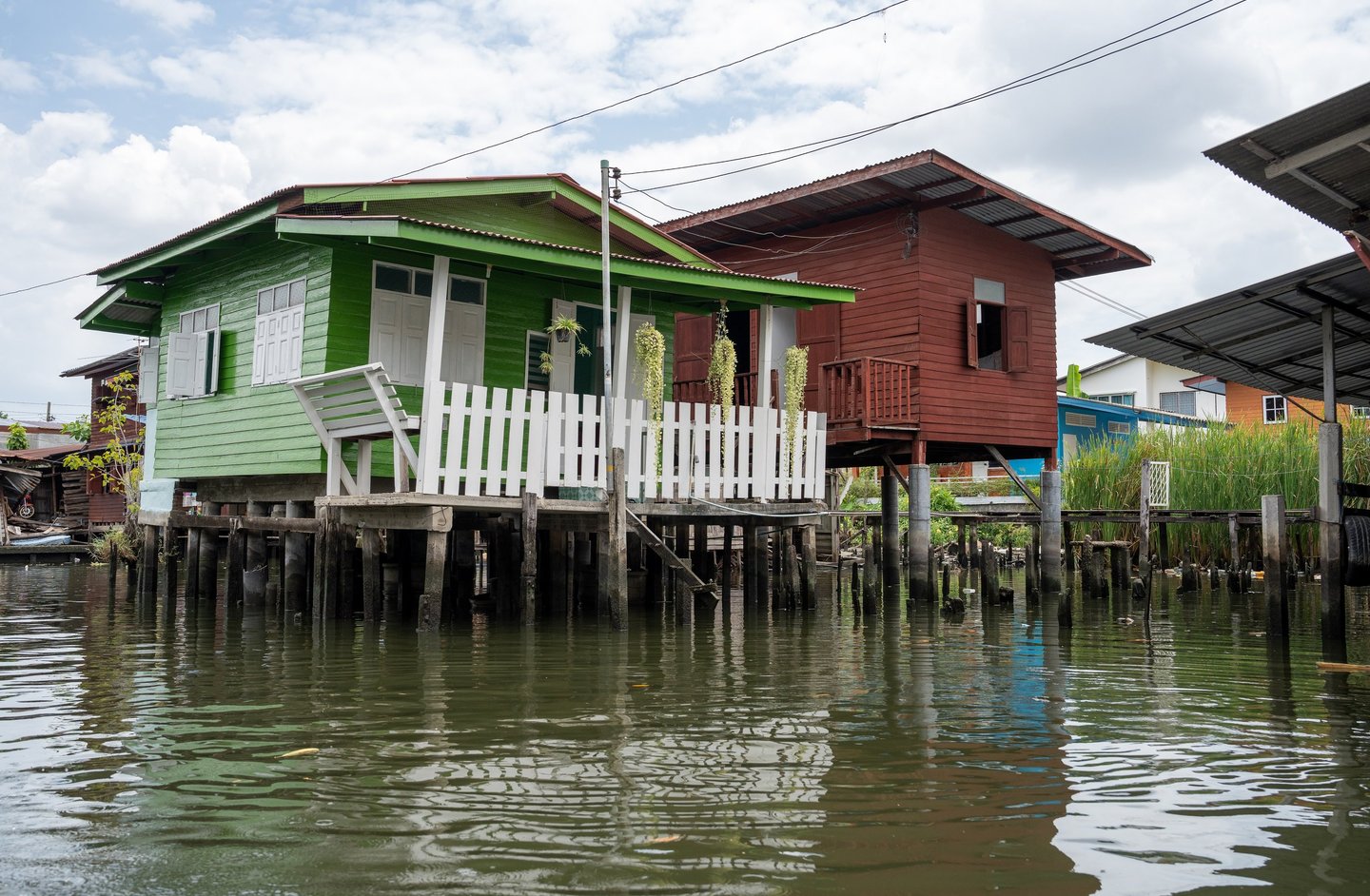
For me, this was one of those moments where Bangkok felt less like a megacity and more like a living archive of its own past.
Baiyoke Tower II & Pratunam – Bangkok’s Vertical Landmark Meets Street-Level Chaos
Right in the middle of Bangkok, in one of the busiest commercial districts of the city, rises a building that has shaped the skyline for decades: the Baiyoke Tower II.
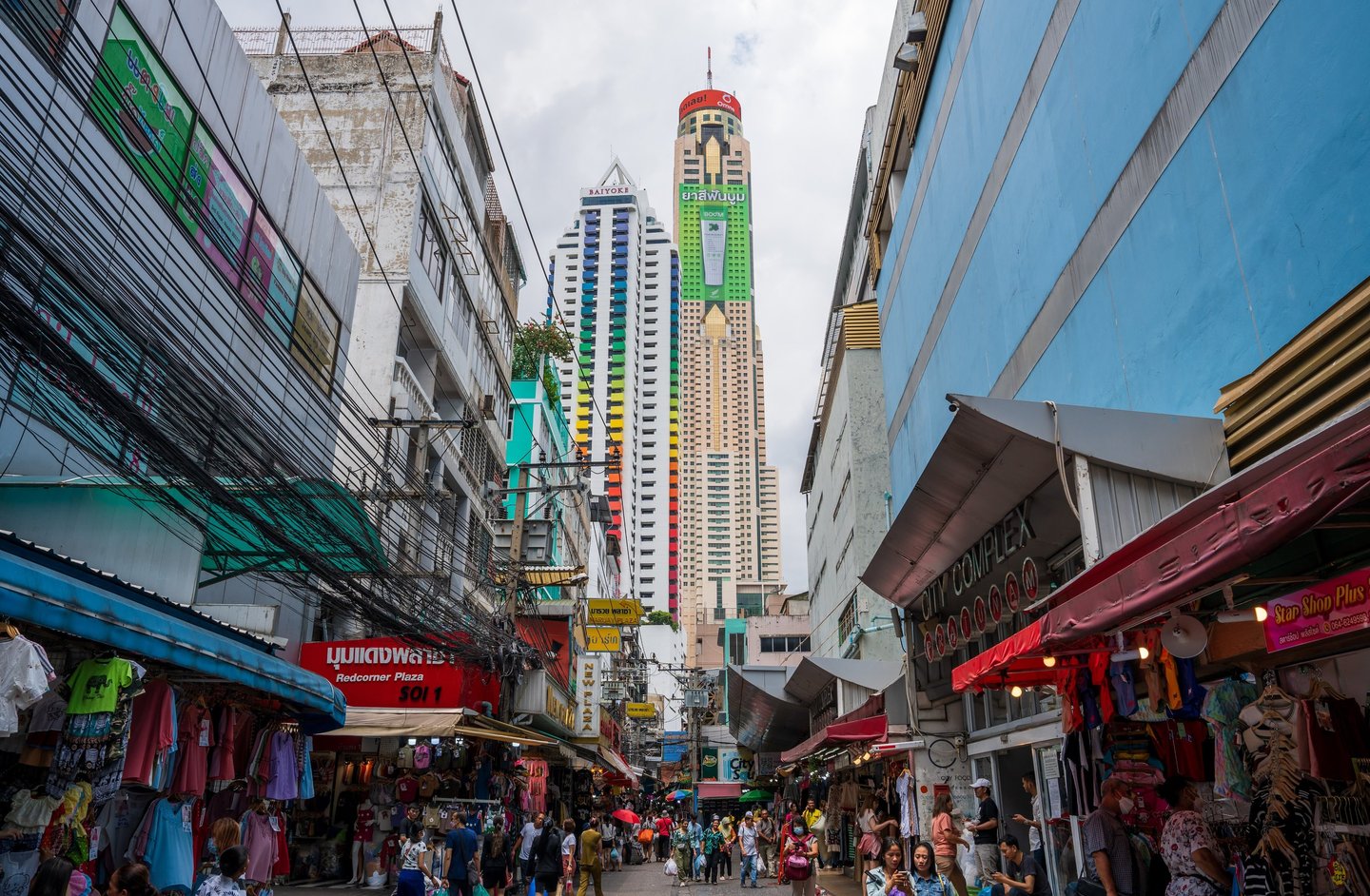
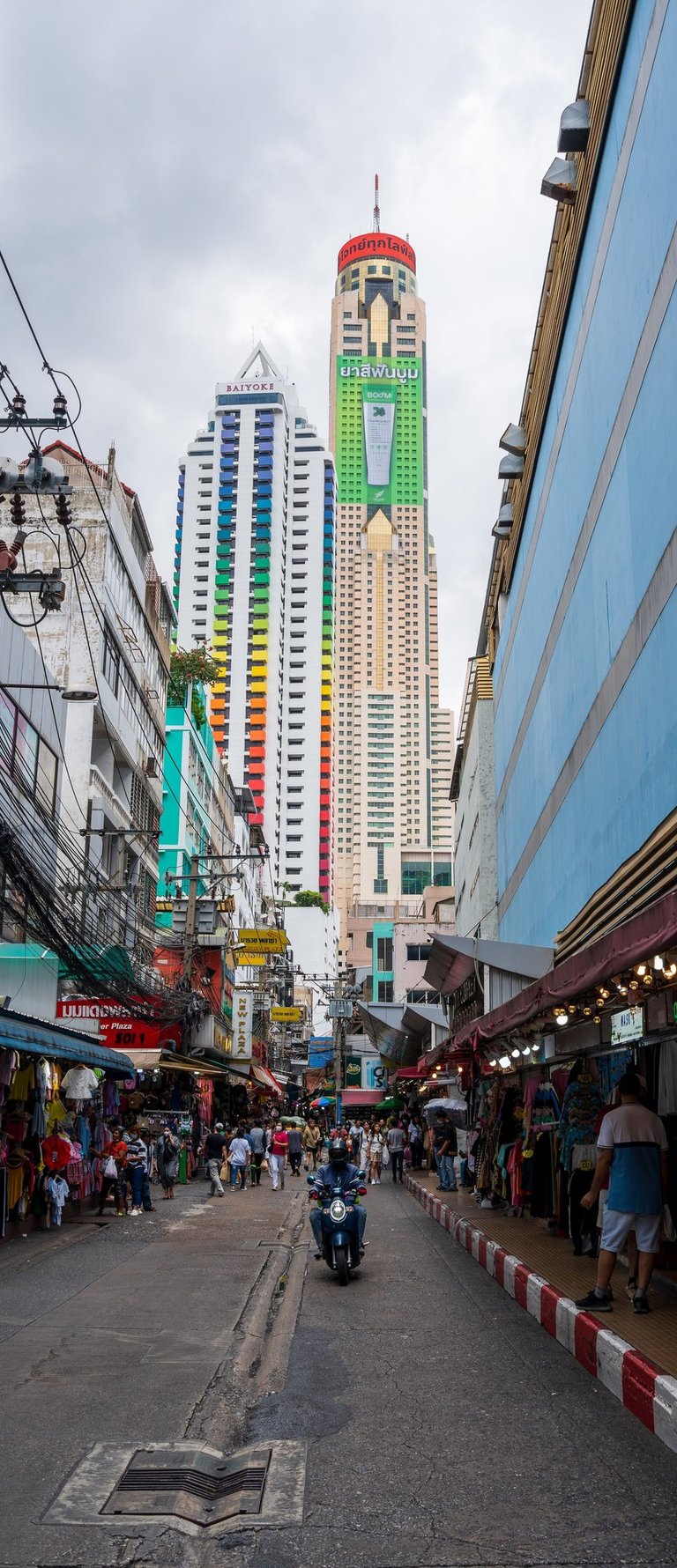
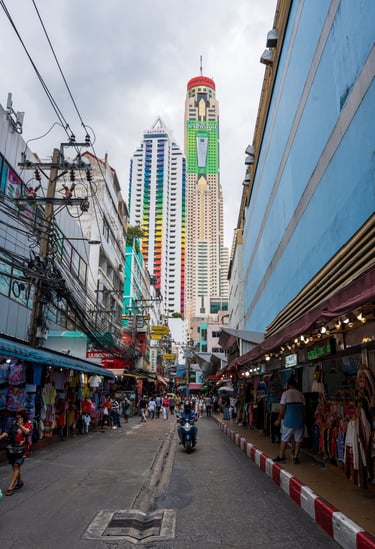
Photographed from the crowded streets of the Pratunam area, the tower feels less like a distant landmark and more like a vertical extension of the chaos happening below.
A Landmark Above the City
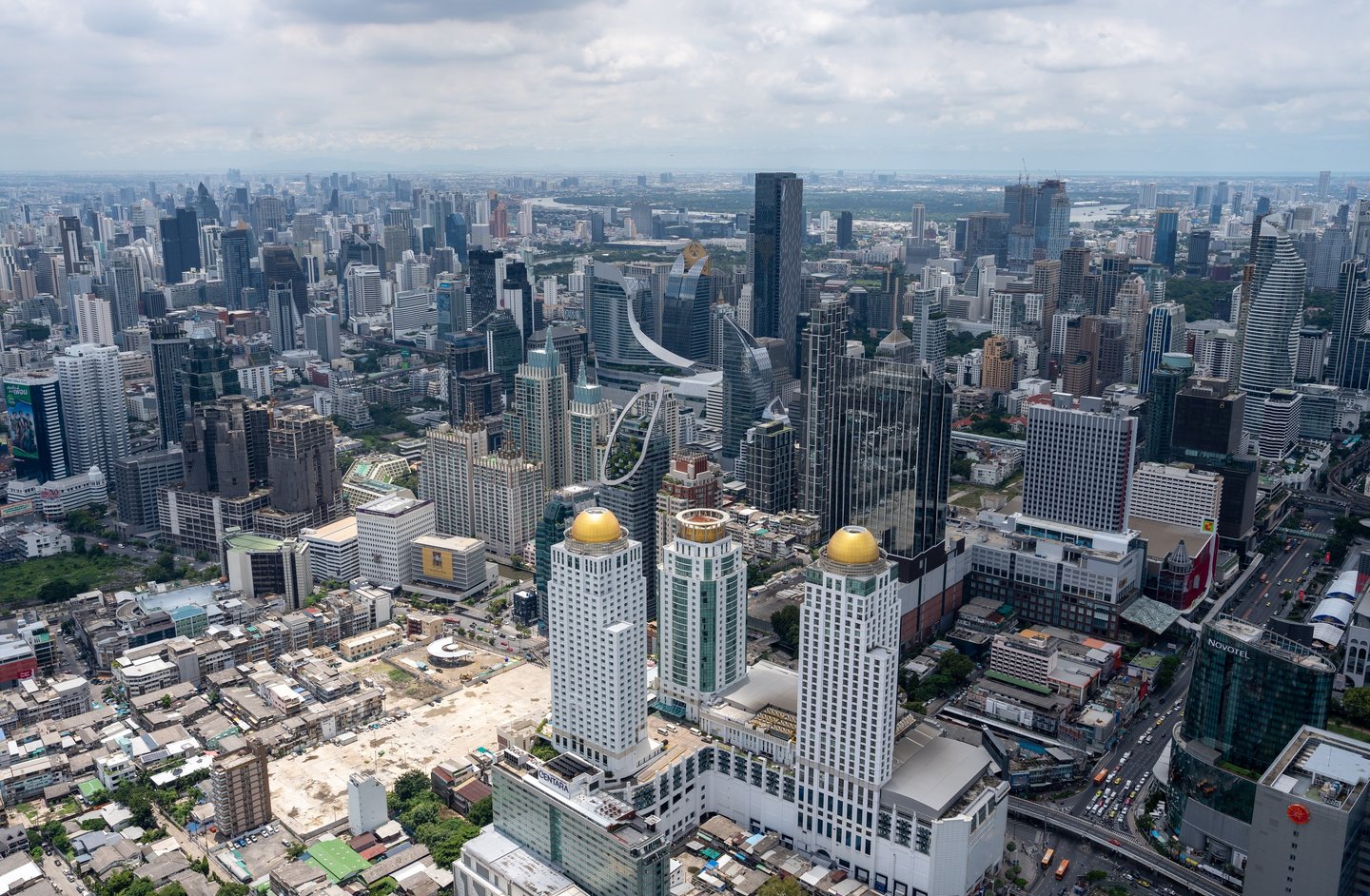
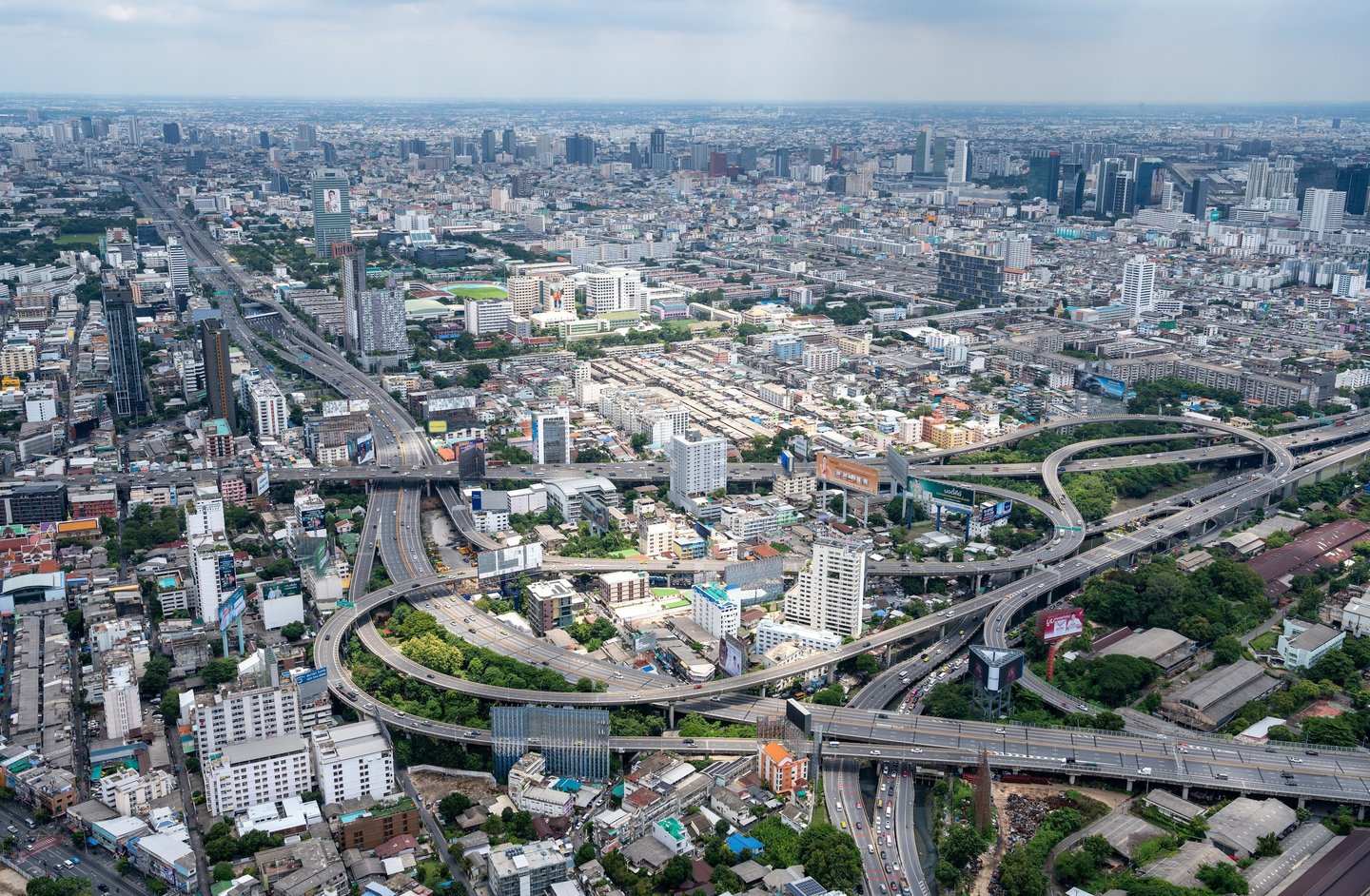
With a height of 304 meters, Baiyoke Tower II was once the tallest building in Thailand and remains one of the most recognizable structures in Bangkok’s skyline.
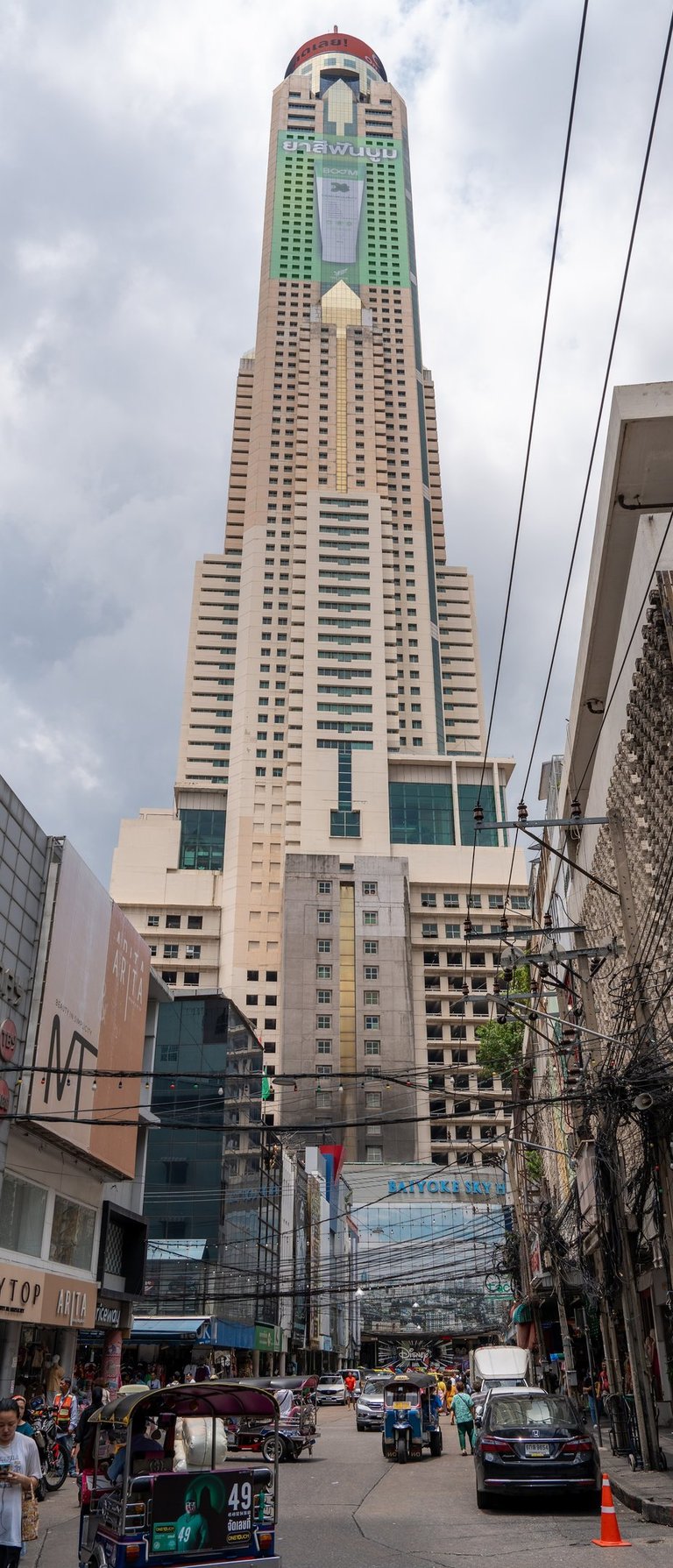
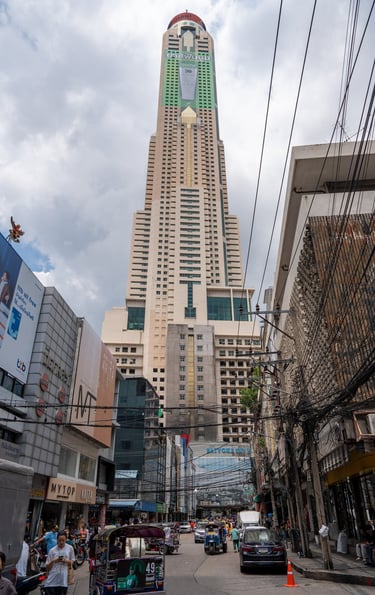
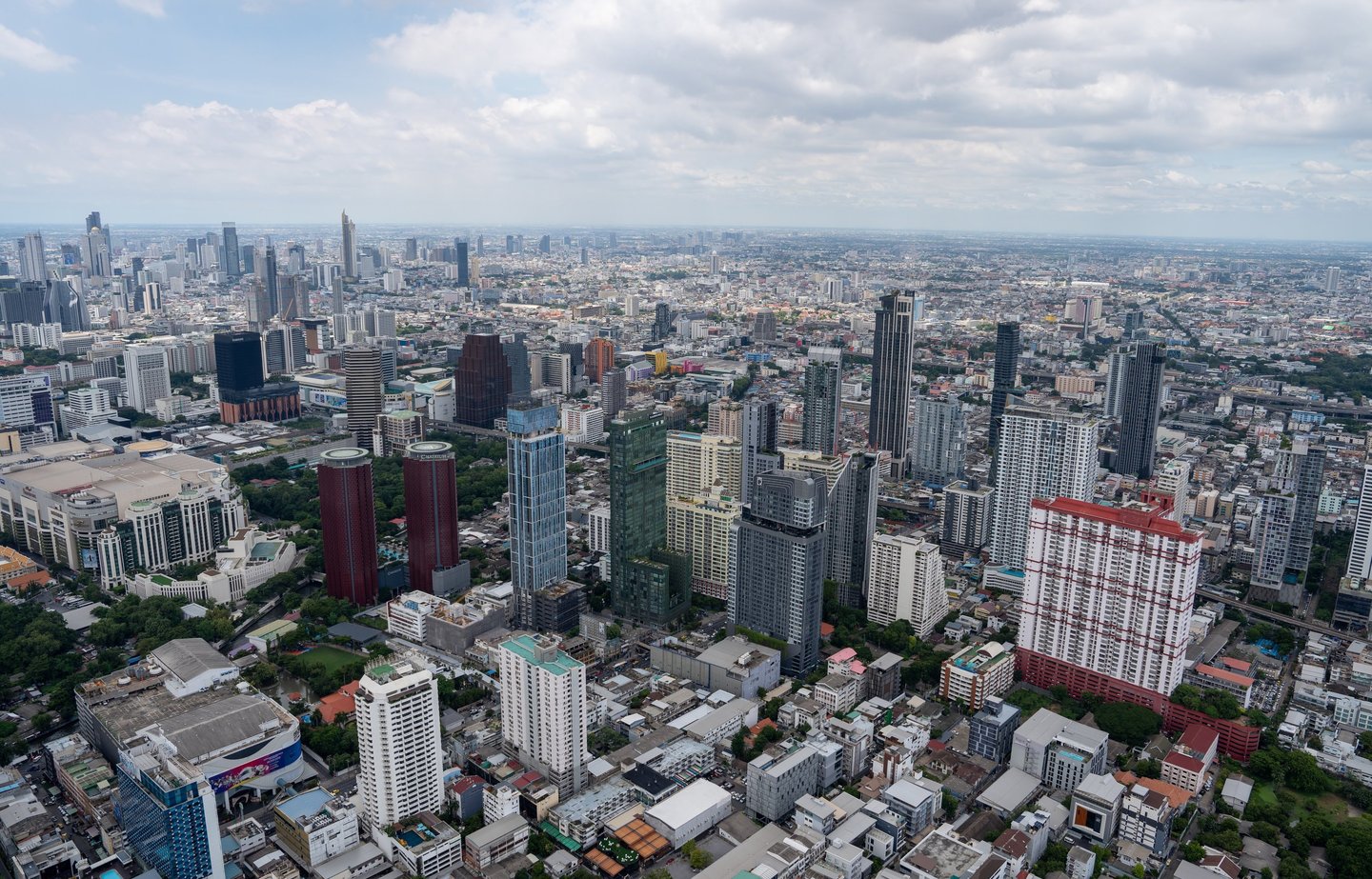
The tower houses the Baiyoke Sky Hotel, one of the tallest hotels in the world. From above, the city stretches endlessly in all directions. The observation deck on the 77th floor and the rotating platform on the 84th floor offer a full 360-degree view — a perspective that shows just how vast and dense Bangkok has become.
But what interested me more was not the view from the top — it was the view from below.
Standing in the streets of Pratunam, looking up at the tower, you get a completely different impression. The building rises out of a tightly packed urban environment filled with traffic, street vendors, and endless movement. It’s a contrast that works extremely well in urban and documentary photography.
Pratunam – Trade, Traffic and Constant Movement
The Pratunam district has long been one of Bangkok’s most important commercial areas, particularly known for its role in the textile and fashion trade. The name “Pratunam” itself translates roughly to “water gate,” a reference to the canal system that once played a key role in trade and transport.
Today, the canals have mostly disappeared from this part of the city, replaced by roads, markets, and shopping complexes — but the area has never lost its commercial energy.
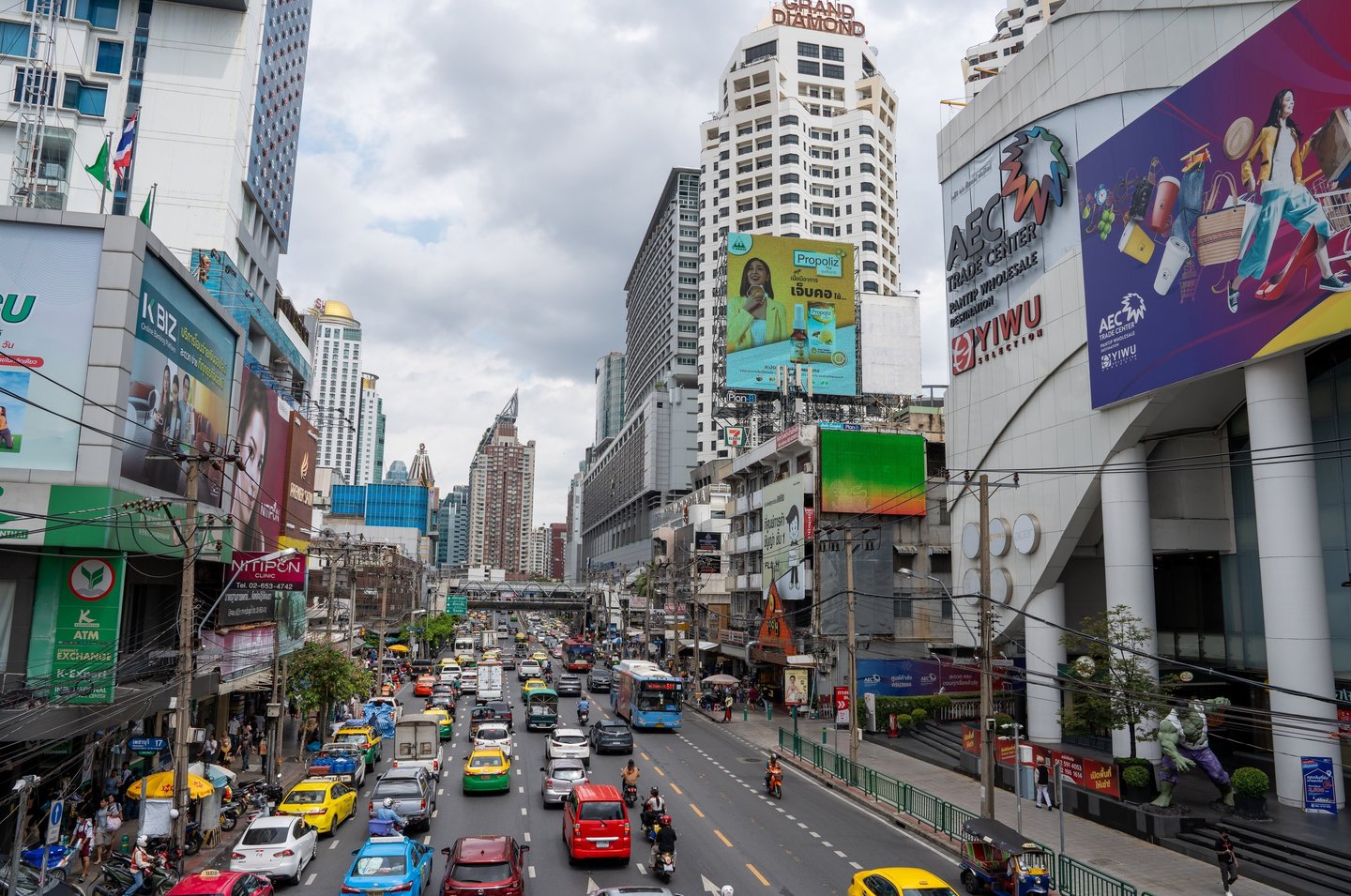
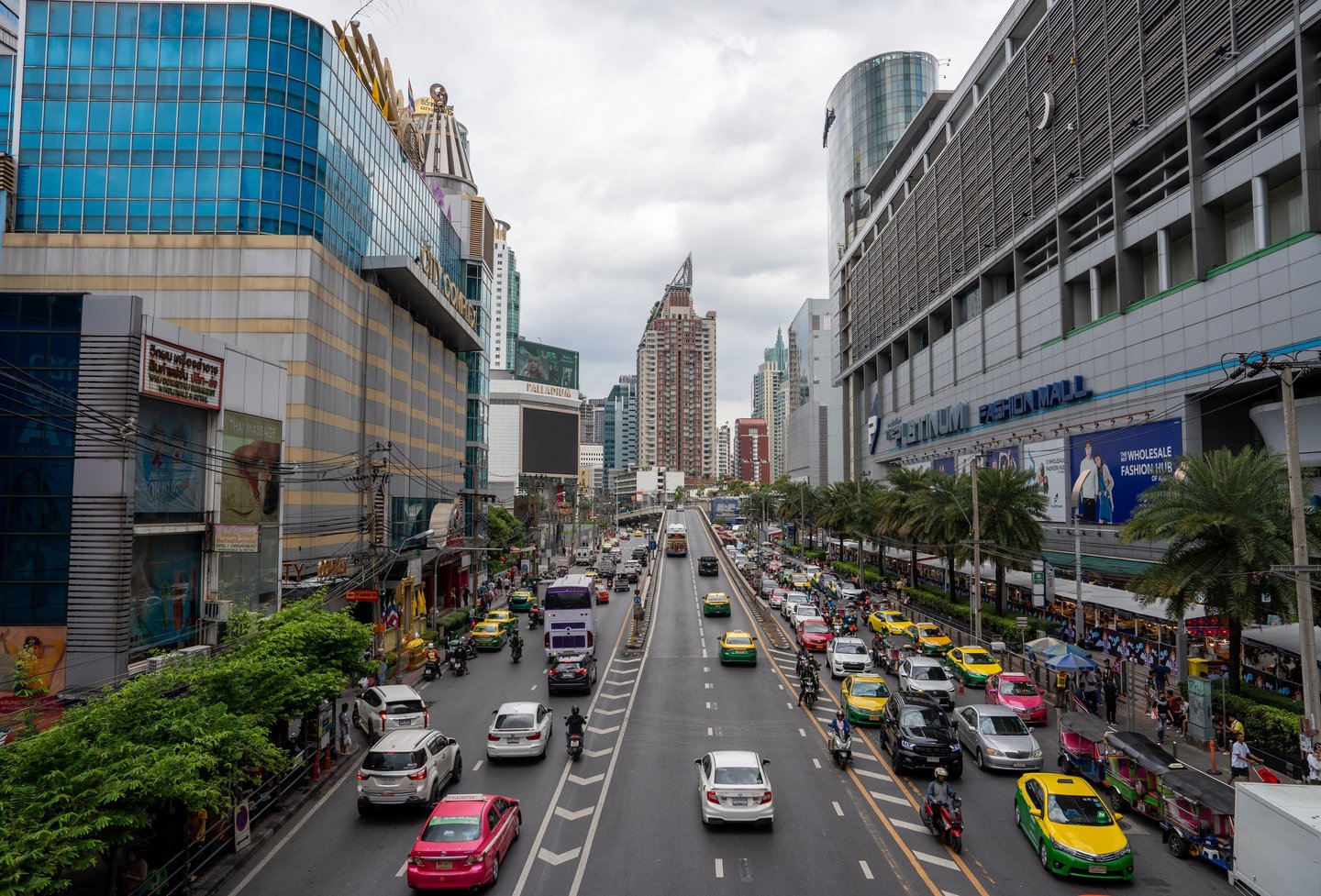
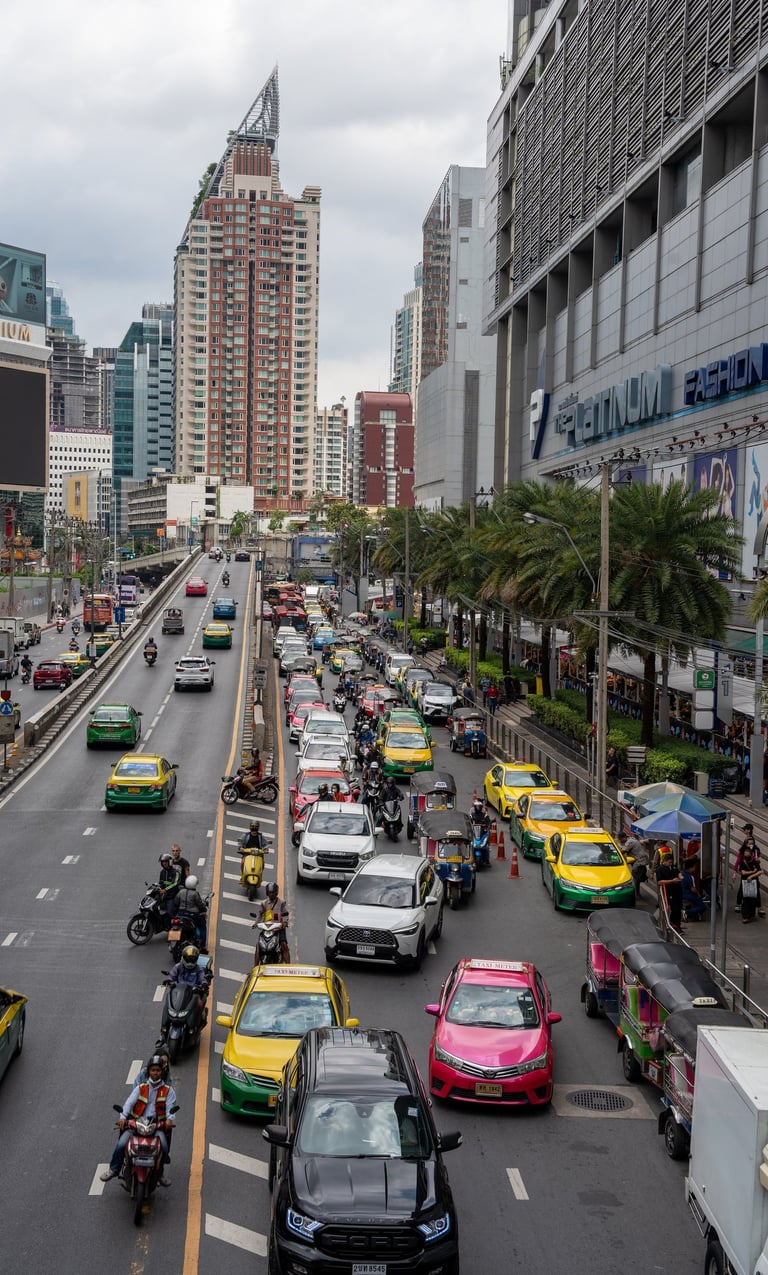
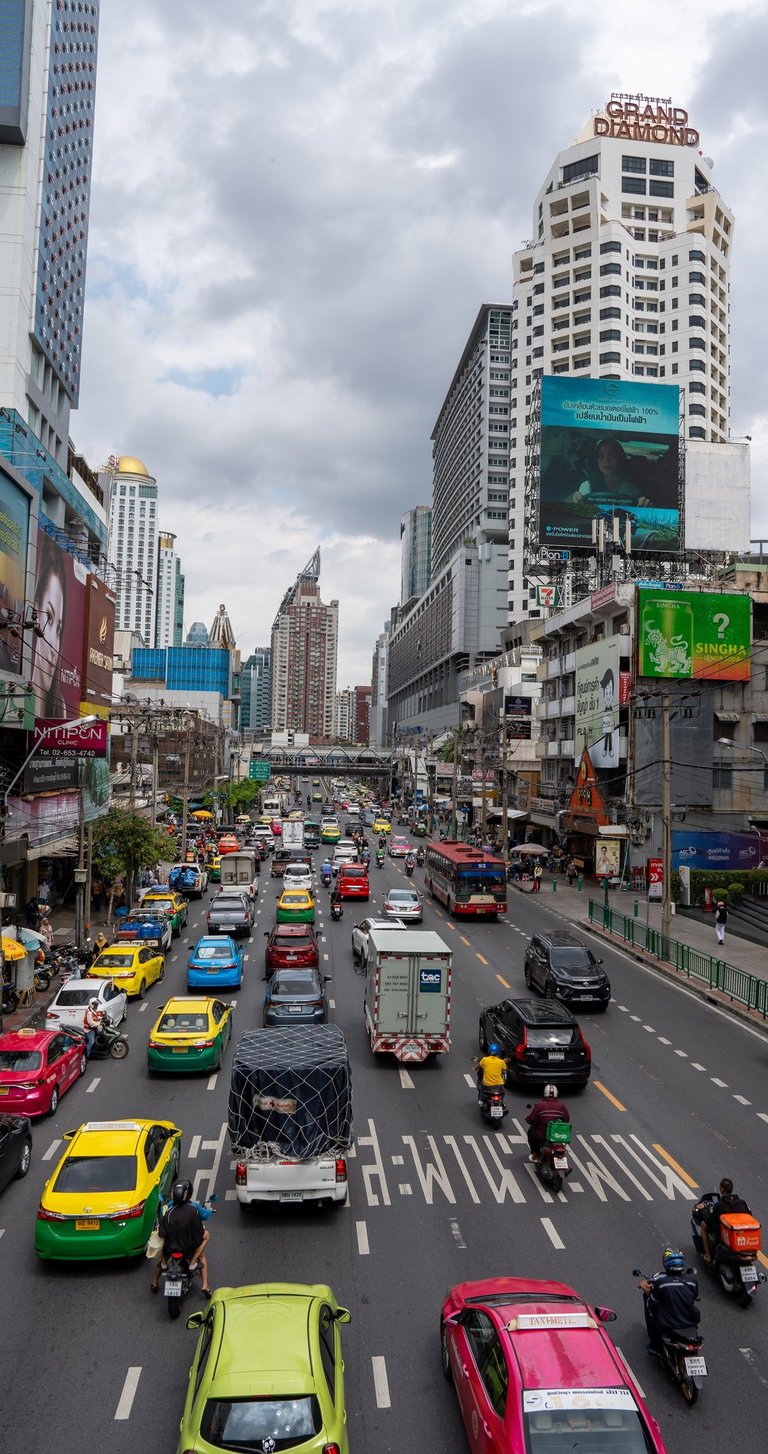
Walking through Pratunam, you are constantly surrounded by movement. Delivery trucks, taxis, motorbikes, and pedestrians all compete for space. Above that, large buildings and shopping centers dominate the skyline.
Phetchaburi Road – The Pulse of the District
Running through this area is Phetchaburi Road, one of the main traffic arteries connecting different parts of the city.
On one side, you’ll find the Platinum Fashion Mall, a massive complex known for wholesale and retail fashion. It’s a place where local retailers, tourists, and business owners all mix, creating a constant flow of people and goods.
On the opposite side stands the City Complex Pratunam, another busy shopping center that adds to the density and intensity of the area.
From a photographic point of view, this street is exactly what you would expect from central Bangkok:
heavy traffic, layered compositions, urban density, and constant motion.
Between Skyline and Street Life
What makes this part of Bangkok so interesting to me is the contrast between scale and detail.
You have one of the tallest buildings in the country towering above you, while at street level everything feels compressed, chaotic, and fast-paced. It’s a place where modern cityscape photography and raw street photography naturally come together.
This is not a polished version of Bangkok.
This is the city as it functions — loud, crowded, and constantly in motion.
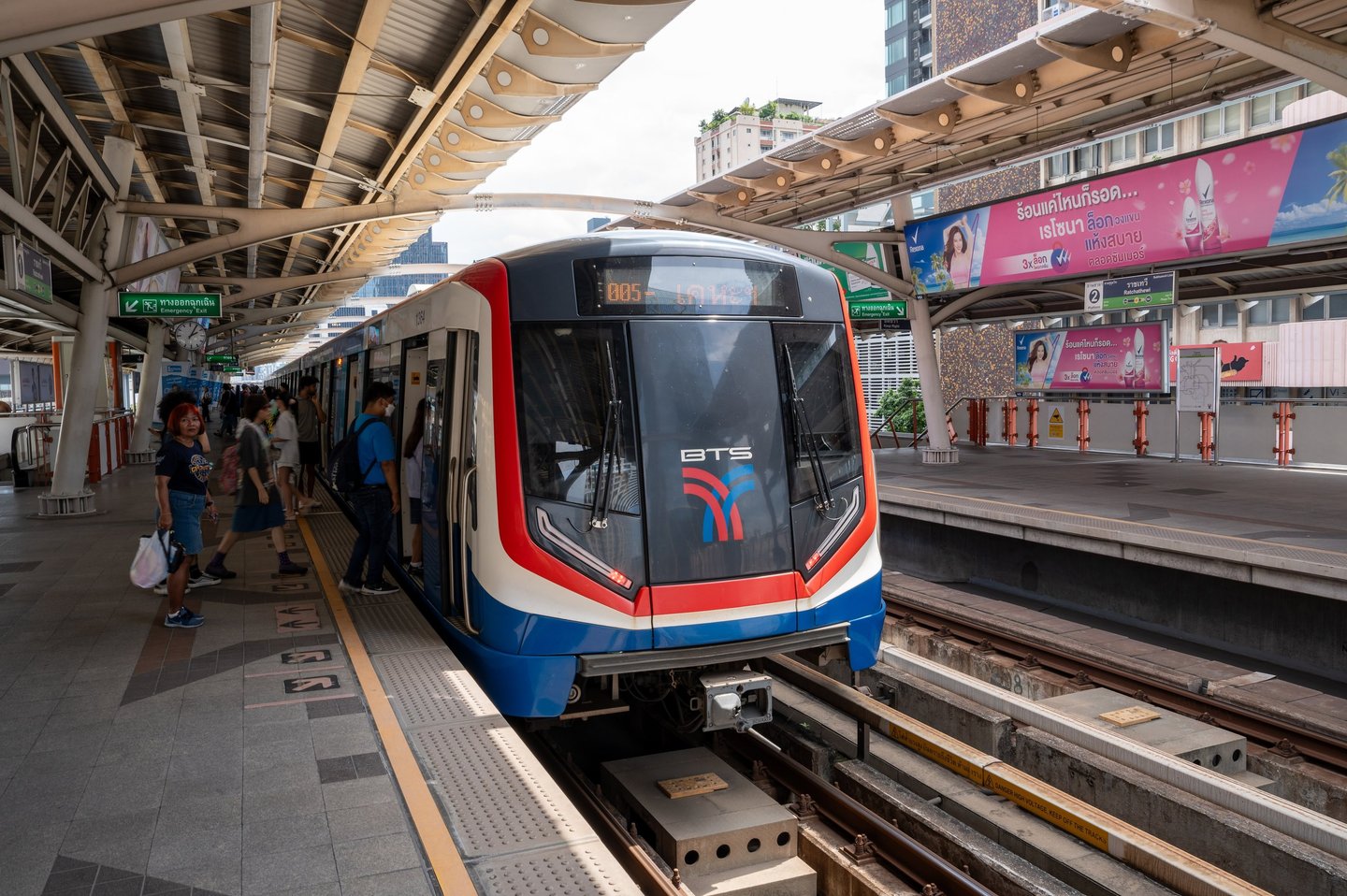
For travel and documentary photography, areas like Pratunam are essential.
They show how the city really works beyond temples and tourist highlights.
A Photographer’s Perspective
the images in this section were captured with my Sony Alpha 7 IV and the Sony FE 24-70mm f/2.8 GM II, a setup that allows me to quickly adapt between wide urban scenes and tighter street compositions.
In a place like Pratunam, flexibility matters. The scenes change quickly, and you don’t get a second chance.
Contact
© 2025. All rights reserved.
Fuel my creativity, If you enjoy my content, feel free to support me with a small tip. Thanks for being part of this journey!
Discover my full collection in my Picfair store — available as high-quality prints or digital downloads, with commercial, advertising, editorial, and personal license options depending on each image